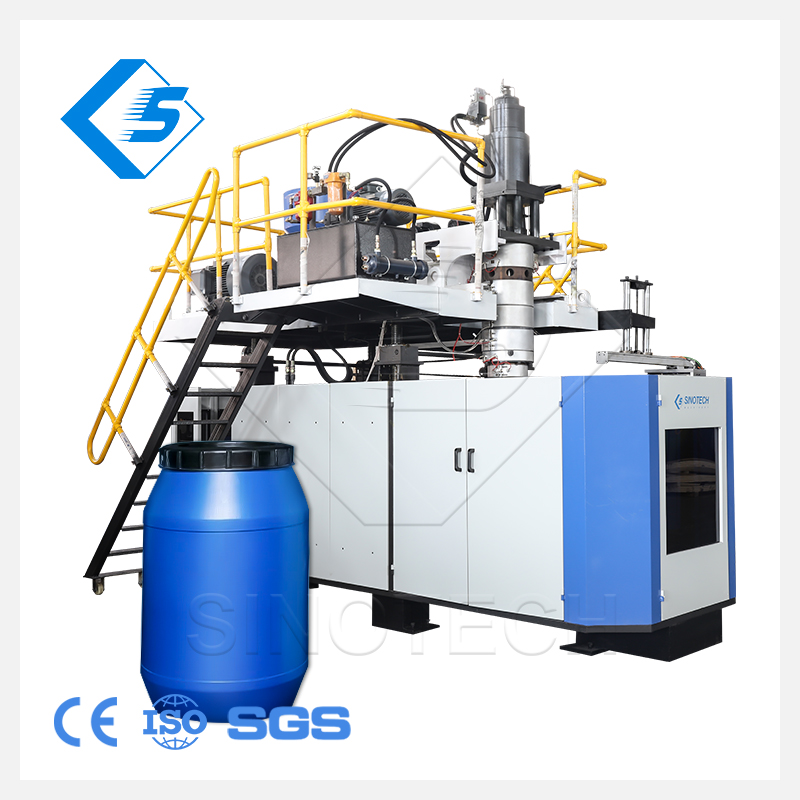
Industrial demand for 120–250L chemical packaging continues climbing globally. Packaging manufacturers face immense pressure to scale operations rapidly safely. Heavy machinery investments carry incredibly high stakes in this sector. Purchasing equipment for high-capacity dangerous goods containers demands absolute precision. You must balance fast cycle times against strict structural integrity. A poor evaluation process creates severe business consequences. It directly leads to wasted resin, failed safety compliance, and excessive production downtime. Our comprehensive guide provides a practical technical and operational framework. You will discover exactly how to evaluate and shortlist a reliable chemical drum blow molding machine. We focus strictly on operational efficiency, facility requirements, and dangerous goods compliance readiness.
Key Takeaways
Meeting UN certification standards for dangerous goods is the baseline success metric for any large-capacity drum line.
Parison wall thickness control (MOOG or equivalent) and accumulator head design dictate both drum quality and resin efficiency.
Facility readiness—specifically cooling capacity, power infrastructure, and footprint—must be planned alongside the equipment purchase.
Vendor shortlisting should prioritize Factory Acceptance Testing (FAT) protocols and Tier-1 component transparency over base price.
Framing Success Criteria for a Plastic Barrel Making Machine
Profitability relies entirely on balancing raw resin costs against steady production output. Heavy industrial containers consume massive amounts of material per cycle. Just a few grams of overweight plastic per drum destroy profit margins over time. Defining your baseline profitability threshold requires calculating exact resin usage against machine uptime.
Setting realistic target metrics keeps your manufacturing operation viable. Cycle times vary based on layer configuration, ambient temperature, and cooling technology. A standard 200L drum should typically achieve a 60–90 second cycle time. You should target a 98% or higher production yield rate. Equipment failing to meet these benchmarks quickly becomes a financial burden.
High-Density Polyethylene (HDPE) remains the industry standard for chemical packaging. Your chosen HDPE grades must feature the correct melt flow index (MFI) for extrusion blow molding. Multi-layer machine setups offer significant financial advantages. They allow you to utilize post-consumer recycled (PCR) material safely. A three-layer structure places cheap PCR resin in the middle core. It protects the chemical compatibility of the inner virgin layer. Evaluating a plastic barrel making machine requires defining these material parameters early in your planning phase.
Core Evaluation Dimensions for a Chemical Drum Blow Molding Machine
Extrusion System & Accumulator Die Head
Engineers must evaluate single-layer versus multi-layer capabilities carefully. End-users often require strict chemical compatibility for aggressive solvents. Single-layer machines work exceptionally well for standard agricultural or mild industrial applications. Two-layer or three-layer co-extrusion systems handle specialized aggressive chemicals much better. They also enable cost-saving recycled core layers.
You must insist on a First-In-First-Out (FIFO) accumulator die head. FIFO technology ensures older melted resin exits the die first. Non-FIFO systems leave older material trapped inside head corners. This trapped polymer degrades, burns, and eventually breaks loose. Burned resin ruins the structural integrity of a chemical drum instantly. FIFO designs prevent polymer degradation and ensure uniform melt distribution.
Radial and Axial Wall Thickness Control
Precision wall control dictates long-term material savings. A 100-point parison wall thickness controller is absolutely non-negotiable for 120–250L drums. High-end controllers, like MOOG systems, adjust the die gap continuously during extrusion. They map the plastic tube vertically as it drops.
This precise control prevents dangerous "thin spots" at critical stress points. Drum corners and top carrying handles require thicker material profiles. Straight sidewalls require less plastic. Dynamic programming places extra resin only where structurally necessary. Proper profile mapping saves raw resin while maintaining rigorous safety compliance.
Clamping Force & Platen Design
Large chemical drums generate massive internal blow pressures during formation. The steel blow mold itself weighs several tons. Therefore, you need substantial mechanical clamping force. Most commercial systems require 800kN to 1200+ kN of force. Insufficient clamping causes mold separation and poor weld lines.
Imagine the physics inside the closed mold. Compressed air forces the hot plastic against the cavity walls. This air pressure acts exactly like a hydraulic ram pushing outward. If clamping force falls short, the heavy steel mold halves separate slightly. This separation creates a weak visible seam called a "flash line." Weak welds guarantee catastrophic failure during drop testing.
Platen design directly affects longevity and machine stability. Evaluate linear guide rails against traditional tie-bar designs carefully. Linear guide rails offer faster movement speeds and cleaner overall operation. Tie-bar designs often provide exceptional rigidity for extremely heavy molds. Choose the design matching your mold changeover frequency.
Engineering for UN Certification (Dangerous Goods Compliance)
Producing UN-rated chemical drums remains the ultimate operational goal. You must frame the machine's capabilities entirely around this strict international certification. A fast-running machine means absolutely nothing if its drums fail safety testing. The UN standard requires uncompromising physical resilience from every container produced.
Containers must survive severe low-temperature drop tests. Drop testing often involves chilling filled drums to -18°C (0°F). Cold plastic becomes brittle and highly prone to shattering. The drum drops from specific heights onto concrete. Machine calibration directly impacts this resiliency. Cooling uniformity ensures polymer chains solidify without internal stress. High weld-line strength prevents splitting upon impact.
Warehouses stack heavy chemical drums multiple layers high. Precise cooling cycles and intelligent mold design provide necessary vertical load strength. The drum must also resist high internal hydraulic pressure without leaking. Thick, consistent walls engineered by the extrusion head guarantee passing hydrostatic tests.
Low-Temperature Drop Testing: Verifies weld strength at -18°C from specified heights.
Hydraulic Pressure Resistance: Ensures the drum holds internal water pressure for extended durations.
Vertical Stacking Load Tests: Simulates palletized warehouse environments over a 28-day period.
Leakproofness Verification: Tests airtight integrity using submerged air pressure diagnostics.
Component Reliability in an Extrusion Blow Molding Line
Accepting proprietary or off-brand internal components introduces massive operational risks. When a specialized hydraulic valve breaks, you need a replacement immediately. Standardizing on Tier-1 brands ensures global spare parts availability. This simple procurement step prevents weeks of expensive downtime. A reliable extrusion blow molding line always uses recognizable industrial brands.
Modern manufacturing demands strict energy efficiency. The blow molding industry shifted heavily toward servo-driven hydraulic systems recently. Traditional continuously running pumps waste enormous amounts of electricity heating hydraulic oil. Servo systems only consume power during active movements. They can reduce energy consumption by up to 30-40%. They also provide faster, highly repeatable machine movements.
An open-architecture PLC system is mandatory for modern factories. Brands like Siemens, B&R, or Beckhoff lead the industrial control market. They make electrical troubleshooting much easier for your internal maintenance team. Open PLC architectures simplify operator training significantly. Furthermore, they integrate seamlessly into factory Manufacturing Execution Systems (MES). MES integration allows managers to track cycle times and scrap rates automatically.
Implementation Realities and Facility Rollout Risks
Cooling remains the hidden bottleneck in large drum production. An undersized facility chiller destroys promised cycle times instantly. You need robust industrial chillers and appropriately sized cooling towers. Mold-cooling channel design requires close engineering attention. Efficient heat transfer accelerates the solidification phase safely. Thicker plastic sections require massive heat removal. If cooling channels lack proper turbulent flow, the plastic stays soft. Uneven shrinkage warps the drum base, rendering it unstable.
Large extrusion machines draw massive electrical loads during initial barrel heating. You need transparent assumptions about these sudden load spikes. Assess the physical footprint required for the entire production cell. The layout must accommodate the main machine, robotic extractors, deflashing stations, and conveyor systems. Crowded production floors create safety hazards and slow down maintenance routines.
Production schedules often require switching container capacities. Real-world evaluation of overhead crane access is critical here. Mold-handling logistics define your changeover downtime. Switching from a 120L to a 250L setup can halt production for hours. A well-designed 120-250L blow molding machine minimizes this mechanical downtime through accessible platen layouts.
Baseline Facility Requirements Chart
Infrastructure Category
Typical Requirement
Critical Consideration
Cooling Capacity
Dedicated industrial chiller (20-30+ Tons)
Must handle peak summer ambient temperatures efficiently.
Electrical Power
250kW - 400+ kW (Spike)
Heating zones cause massive initial load spikes.
Air Supply
High-volume compressed air (0.8-1.0 MPa)
Air must be dry and oil-free to avoid defects.
Floor Space
Minimum 15m x 8m cell
Leave clearance for mold loading cranes and robots.
Shortlisting Your 120-250L Blow Molding Machine Partner
Move beyond polished marketing brochures when selecting a vendor. You must verify actual manufacturing capabilities firsthand. Request virtual or physical tours of their assembly floor. Ensure they actually machine their own die heads and platens. Many companies merely assemble purchased parts, leading to poor quality control.
Verify Engineering Depth: Ask to speak directly with their mechanical and electrical engineers.
Audit Component Lists: Demand a full bill of materials detailing PLC, servo, and valve brands.
Check Reference Sites: Speak to current users running similar large-capacity machines.
Define strict Factory Acceptance Testing (FAT) requirements in your contract. Run the equipment at the vendor's site before authorizing shipment. Use your actual production mold and your specific resin grade. Running a generic demonstration mold proves nothing. Demand an extended continuous run of at least 24 hours. Do not sign off until the machine meets baseline yield targets consistently.
Machine breakdowns are inevitable over a decade of heavy use. Establish specific criteria for evaluating spare parts availability. Discuss remote diagnostic capabilities via secure IoT connections. Clarify guaranteed field technician response times for your specific region. A reputable large drum blow molding machine supplier offers binding service level agreements to protect your uptime.
Conclusion
Success with heavy blow molding equipment requires highly disciplined technical planning. It relies heavily on precision parison control, robust clamping forces, and UN-compliance capability. Substandard components eventually cause catastrophic production delays and failed safety certifications. Smart buyers look past the initial purchase price and evaluate long-term mechanical reliability.
Buyers should audit their facility's current power and cooling capacities immediately. Begin drafting a standardized Request for Proposal (RFP) utilizing the metrics discussed above. Focus heavily on recognized component brands, servo-driven technologies, and strict FAT terms. Prioritize structural integrity and dangerous goods compliance above all other factors.
FAQ
Q: What is the average cycle time for a 200-liter large drum blow molding machine?
A: Cycle times typically range from 60 to 100 seconds for a 200L drum. The exact duration depends heavily on wall thickness requirements, ambient facility temperatures, and the efficiency of your mold cooling technology.
Q: Do I need a multi-layer or single-layer machine for chemical drums?
A: It depends on your chemical application. Single-layer machines work well for standard goods. Multi-layer (2 or 3 layers) machines offer cost savings by using recycled plastic in the core layer or specialized chemical barrier resins on the inner layer.
Q: How much floor space does a complete extrusion blow molding line require?
A: A complete high-capacity line requires significant space. Expect to dedicate a minimum area of 15m x 8m. This space accommodates the main machine, auto-loaders, chillers, robotic extractors, deflashing stations, and safety fencing.
Q: Can one machine efficiently produce both 120L and 250L drums?
A: Yes, one machine can produce both sizes. However, it requires an accumulator head with sufficient maximum capacity and a platen stroke optimized for larger molds. Be prepared for longer mold changeover times when switching between drastic size differences.
We are a professional manufacturer of plastic machines and we have devoted ourselves to the development, research, and production of plastic machinery for more than 20 years.