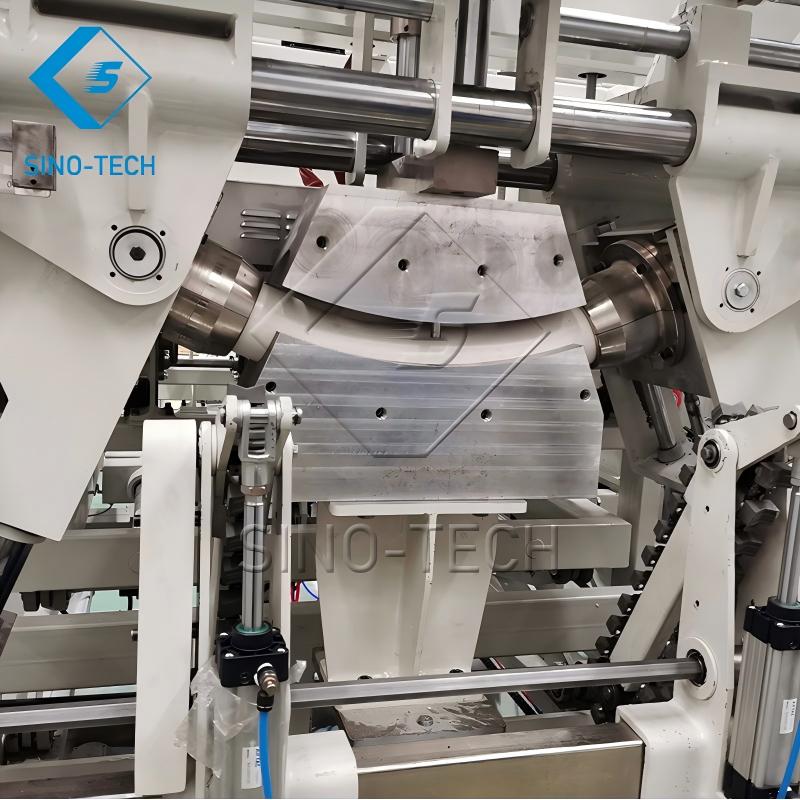
Misaligned equipment costs industrial companies thousands of dollars annually. Purchasing a machine not rated for your target diameter creates expensive problems. You risk severe pipe kinking on the shop floor. You also face compromised pressure ratings and wasted capital expenditure. Relying on outdated field-hacks like torches or heat blankets creates inconsistent results. Today’s industrial, repeatable solutions demand careful equipment selection. You must evaluate machines strictly based on pipe Outer Diameter (OD). Wall thickness also plays a critical role. Schedule 40 behaves very differently than Schedule 80 under heat. Production volume dictates your automation needs.
This guide provides a practical, skeptical framework for evaluating your options. You will learn how to shortlist the exact PVC pipe bending machine for your specific operational scale. Our objective is to ensure your plumbing compliance. We will help you maximize your return on investment. You will discover how to match machine specifications directly to your daily production realities.
Key Takeaways
Diameter determines mechanics: Small-diameter conduits require different heating profiles and bending radii compared to large municipal pipes.
Volume dictates automation: The shift from a manual PVC tube bender to an automatic pipe bending machine depends strictly on daily throughput and labor costs.
Beware "universal" claims: No single machine perfectly bends every size; choosing dedicated ranges (e.g., 16-48mm or 75-160mm) prevents material scorching and ovality.
Compliance is mandatory: Machine selection must align with local electrical and plumbing codes regarding bend radii and structural integrity.
The Business Impact of Diameter and Wall Thickness on Equipment Selection
"One size fits all" is a massive red flag in equipment procurement. Universal machines often compromise on heating chamber size. They also compromise on hydraulic bending force. You cannot bend a small conduit and a large water main efficiently on identical equipment. Vendors making these universal claims usually hide a flawed mechanical design. Equipment procurement requires strict operational alignment. You must match your specific pipe specifications directly to the machine's capabilities. Choosing dedicated equipment prevents costly manufacturing errors.
Let us look closely at the physics of the bend. Outer diameter (OD) and wall thickness interact directly during the heating phase. Wall thickness ultimately determines your thermal strategy. For example, Schedule 40 pipes heat up quite fast. However, they collapse much easier under physical bending stress. Schedule 80 pipes feature significantly thicker walls. They require slower, deeper heat penetration. This slower heating process helps them reach a pliable state safely. Wider, thicker pipes demand robust internal mandrel support. They also need highly controlled, multi-zone heating systems. This specific heating method prevents the outer material layer from scorching. Meanwhile, the inner core remains rigid enough to hold its shape perfectly.
Using underpowered machines carries severe business risks. First, your material scrap rates will spike dramatically. Inconsistent heating causes visible rippling and structural kinking along the bend. Second, labor bottlenecks occur constantly. Operators waste valuable hours waiting for slow heating cycles to finish. Finally, compromised pipe walls lead to failed site inspections. A kinked pipe loses its structural pressure rating instantly. Inspectors will reject compromised installations immediately. Buying mismatched equipment ultimately wastes your capital expenditure. It also damages your professional reputation.
Best Practices for Diameter Evaluation
Always measure the exact Outer Diameter (OD) of your most frequently used pipes.
Categorize your production into specific size brackets before contacting equipment vendors.
Review the standard wall thickness variations (Schedule 40 vs. 80) your team handles daily.
Evaluating a 16-48mm Pipe Bending Machine for Small-to-Medium Conduits
Small-to-medium pipes dominate residential plumbing projects worldwide. They also feature heavily in electrical conduit installations and lightweight structural PVC frames. For these specific applications, a dedicated 16-48mm pipe bending machine provides optimal production efficiency. Narrow diameter ranges allow for highly optimized heating chambers. This specialization dramatically reduces your average cycle time.
When evaluating this equipment size, you must focus on two core criteria. Heating speed remains your first priority. Look for rapid infrared technology or highly localized heating elements. Fast heating keeps your daily production moving smoothly. Next, assess your exact workspace footprint needs. Do you need a stationary benchtop unit for the shop floor? Or does your installation team require a mobile cart setup for the job site? Mobile units offer great flexibility for electrical contractors. Stationary units often provide slightly better thermal consistency.
Tooling considerations are equally critical for small conduits. Always examine the standard shoe and roller dies provided by the manufacturer. You must ensure they offer precise tooling for your exact OD. Loose dies cause wall rippling and aesthetic exterior defects. Tight dies scratch the exterior surface and weaken the pipe. Demand exact die measurements before signing a purchase order.
Sometimes, you might wonder if a simpler manual tool works better. A basic handheld PVC tube bender often suffices for low-volume tasks. Handheld tools handle minor field adjustments and one-off repairs easily. They require zero warmup time and fit inside a standard toolbox. However, high-volume pre-fabrication demands a dedicated industrial machine. Attempting thousands of bends manually creates wildly inconsistent results. It also causes severe operator fatigue and increases labor costs.
Procuring a 75-160mm Pipe Bending Machine for Industrial and Municipal Applications
Industrial projects routinely involve heavy water mains and industrial venting systems. They also include large-scale agricultural irrigation systems spanning several miles. These demanding environments require a robust 75-160mm pipe bending machine. Handling large diameters shifts the mechanical and thermal requirements entirely. You cannot simply scale up a small machine design.
First, internal mandrel support becomes absolutely mandatory. Machines operating in this large diameter range must feature specialized mandrels. These metallic inserts support the pipe internally during the mechanical bend. They maintain perfect roundness throughout the entire curve. Most importantly, they prevent severe ovality. Without a mandrel, a 150mm pipe will simply flatten under its own bending stress. Oval pipes fail flow-rate inspections and leak at the joints.
Next, thermal control precision is completely non-negotiable. Large surface areas require slow, deeply penetrating heat. Multi-zone radiant heating ensures the thick core softens properly. If the machine heats the material too quickly, the surface scorches. Scorched PVC emits toxic fumes and becomes highly brittle. Meanwhile, the core remains rigid, causing the pipe to crack during bending. Multi-zone systems apply heat evenly across the entire bend radius.
Finally, you must consider the facility footprint and heavy power requirements. Heavy-duty equipment demands substantial infrastructure investments.
Power Requirements: You will need dedicated 3-phase industrial power connections. Standard single-phase wiring will not run heavy heating elements.
Structural Limits: Ensure your shop floor can handle heavy structural loads. Large machines generate significant hydraulic vibrations.
Cooling Space: Allocate sufficient floor space for extended cooling times. Large pipes take significantly longer to cool and set after bending.
Do not overlook these physical facility constraints during your early procurement phase. Failing to prepare your shop floor causes expensive installation delays.
Justifying the Upgrade to an Automatic Pipe Bending Machine
Scaling up production eventually forces a serious conversation about automation. You must calculate the exact break-even point before upgrading your equipment. This calculation pits your upfront capital expenditure against ongoing operational savings. You save money through significantly reduced labor costs. You also achieve a drastic reduction in material scrap. When your daily throughput exceeds manual capacity, automation quickly pays for itself. An automatic pipe bending machine runs continuously with minimal operator fatigue.
Programmability drives these massive financial savings. Evaluate the machine's control interface very closely. A quality CNC or NC system stores specific bend angles in its memory. It also saves precise heating times for different PVC material batches. This repeatability eliminates operator guesswork entirely. A new operator simply selects the stored program and initiates the cycle. Consistent programming ensures every single bend meets strict compliance codes.
However, you must verify cycle times before buying any automated equipment. Demand empirical data from manufacturers based on your specific diameters. Never rely solely on glossy marketing claims or brochures. Ask for verifiable video proof of the machine bending your exact pipe size. Calculate your projected daily output using these real-world cycle times. This prevents disappointing production bottlenecks after installation.
You should also acknowledge the inherent scalability risks. Automated systems introduce new maintenance overhead into your facility. Proximity sensors fail over time and require recalibration. Hydraulic fluids leak and require regular top-offs. You will also need skilled operators to program and troubleshoot the software. Factor these operational realities into your final purchasing decision.
Table: Core Evaluation Metrics by Pipe Diameter Range
Feature Requirement
16-48mm Conduits
75-160mm Industrial Pipes
Heating Technology
Rapid infrared or localized
Multi-zone slow radiant heat
Internal Support
Rarely required for standard bends
Mandatory mandrel support needed
Portability
Benchtop or mobile cart viable
Stationary shop floor unit only
Primary Application
Residential plumbing, electrical
Water mains, agricultural irrigation
Vendor Vetting: How to Shortlist Reliable Manufacturers
Choosing the right vendor is just as critical as choosing the machine. You must practice evidence-oriented sourcing to cut through marketing fluff. Always demand sample bends of your specific pipe material before purchasing. Ship them a small pallet of your actual inventory. Ask the vendor to record a continuous video of the bending process. This proves their equipment actually handles your requested diameter and wall thickness. It also verifies their advertised cycle times.
Compliance and safety remain paramount in industrial manufacturing settings. Ensure the equipment meets regional safety certifications like CE or OSHA standards. Look closely at the machine's built-in safety features before signing contracts. Reliable industrial equipment must include automated safety interlocks. These prevent operation while protective access guards remain open. The machine must also feature highly visible emergency stops. These buttons immediately halt all hydraulics and heating elements. Finally, thermal limiters are absolutely crucial. They automatically shut off electrical power if temperatures exceed safe thresholds.
Evaluate the vendor's after-sales support carefully. Ask for their Service Level Agreement (SLA) regarding replacement parts. Heating elements naturally degrade over time. Custom dies wear down after heavy repetitive use. You need a vendor guaranteeing fast shipping for consumable parts. Assess their technical troubleshooting process as well. Can their engineers diagnose sensor faults remotely? Do they offer video support for software issues? Reliable support keeps your production line running profitably.
Common Mistakes in Vendor Vetting
Failing to request a video demonstration using your specific pipe material.
Ignoring the vendor's lead time for custom die manufacturing.
Overlooking the cost and availability of replacement heating elements.
Conclusion
Outer Diameter (OD) and production volume remain the ultimate filters for your purchasing decision. Ignore generic vendor hype and focus strictly on your operational realities. You must match machine specifications directly to your primary production sizes. Focus your capital budget on dedicated machines designed for specific size brackets. Avoid compromising your final product quality by purchasing a poorly performing hybrid model. True efficiency requires specialized equipment.
Take decisive action today by auditing your current scrap rates. Define your exact pipe specifications, including wall thickness and material grade. Record your average daily production volume. Then, reach out to shortlisted vendors and request empirical cycle-time data. Compare their data against your manual production baseline. Doing the math now ensures a highly profitable equipment upgrade. A well-chosen machine guarantees compliance and boosts your operational output.
FAQ
Q: Can one PVC pipe bending machine handle both 20mm and 150mm pipes?
A: No. Doing so is highly inefficient and prone to errors. While some machines offer interchangeable dies, mechanical and thermal limitations persist. The large heating chamber and massive hydraulic mandrel power required for 150mm pipes overwhelm 20mm conduits. A 20mm pipe will likely melt or deform inside an oversized heating chamber.
Q: Does heat bending weaken the PVC pipe's pressure rating?
A: It depends entirely on your process. Proper bending within the manufacturer's recommended thermal window maintains structural integrity. Following strict bend radius codes ensures safety. However, overheating the material or stretching the outer wall too thin will severely compromise the pipe's pressure rating.
Q: What is the difference between a PVC tube bender and an industrial bending machine?
A: The difference lies in operational scale and automation. A tube bender typically refers to manual, low-heat portable tools designed for small-scale jobs. An industrial bending machine utilizes automated multi-zone heating, high-pressure hydraulic forming, and programmable logic controllers. These machines handle high-volume, defect-free production reliably.
We are a professional manufacturer of plastic machines and we have devoted ourselves to the development, research, and production of plastic machinery for more than 20 years.