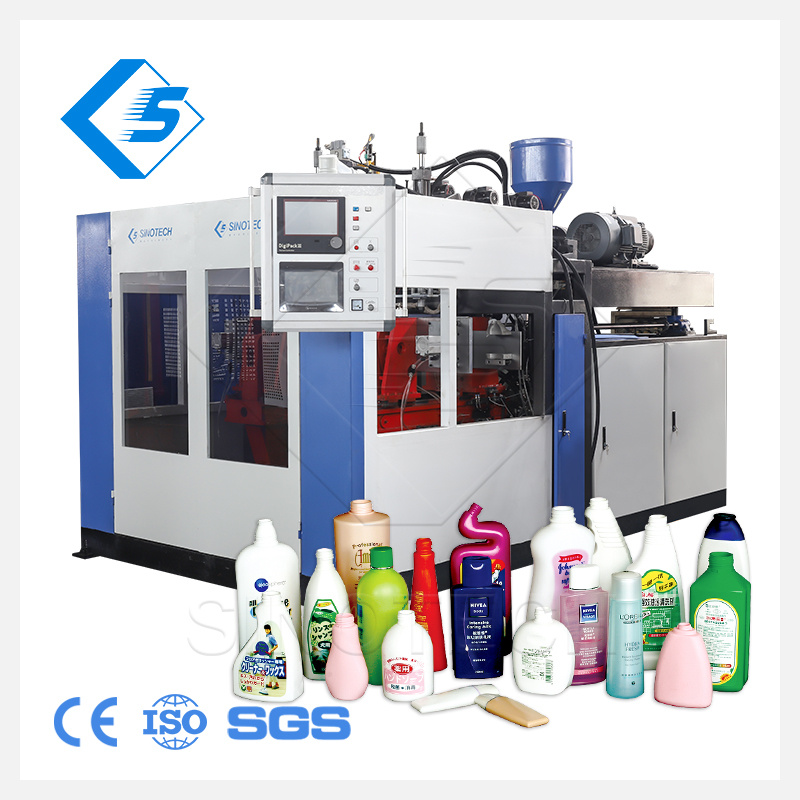
Purchasing an industrial manufacturing system represents a massive capital expenditure for any business. Many procurement teams mistakenly select equipment based entirely on brand reputation or initial price tags. They often ignore precise bottle specifications during the early evaluation phases. This oversight quickly leads to excessive energy consumption and high scrap rates. You might even face severe production bottlenecks when the equipment fails to match your specific packaging geometry.
Bottle volume and weight strictly dictate the fundamental physics of the extrusion process. These variables govern parison length, required clamping force, and necessary cooling time. Understanding these physical limits is essential for efficient production. If you mismatch the container size to the equipment capabilities, you guarantee operational inefficiencies.
This article provides a technical, size-based evaluation framework. We will help production managers and procurement teams align machine capabilities with exact packaging requirements. You will learn how to evaluate die head configurations, calculate proper tonnage, and run effective factory acceptance tests.
Key Takeaways
Size Dictates Machine Architecture: Small bottles require high-cavitation, continuous extrusion systems, while large containers (over 10L) require accumulator heads to prevent parison sag.
Clamping Force Overkill Kills ROI: Oversizing your machine for small bottles leads to wasted energy and slower cycle times; matching clamping tonnage to bottle size is critical for cost-efficiency.
Parison Control is Non-Negotiable: Regardless of size, ensuring uniform wall thickness across different bottle geometries requires precise die-head engineering and automated parison programming.
The Relationship Between Bottle Volume and Machine Specifications
Bottle volume fundamentally alters how a machine processes plastic resin. When you scale up a container design, you change the physical demands placed on the equipment. A larger bottle needs more plastic, requiring a higher extrusion rate. Engineers measure this extrusion rate in kilograms per hour (kg/hr). Heavier containers demand longer, thicker parisons. You must select an extrusion blow molding machine capable of melting and pushing this material efficiently. If the extruder cannot keep up, the plastic degrades. This degradation causes weak spots in the final product.
Clamping force directly correlates to the projected area of your bottle. Tonnage must match this area precisely. Too little clamping force fails to pinch the parison completely. This lack of pressure causes excess flash and weak seams at the bottom of the container. Conversely, applying too much clamping force wastes kinetic energy. An oversized clamp slows down the cycle time and increases your monthly utility bills. You should always calculate the exact projected area before finalizing your tonnage requirements.
Bottle diameter strongly influences your die head configuration. Wide bottles require larger die heads and wider center distances between cavities. This spacing prevents the molds from colliding during operation. The container size also dictates the core extrusion technology. Small items run perfectly on continuous extrusion setups. However, massive industrial containers require accumulator head technology to manage the sheer volume of molten plastic.
Sizing Guide for a Small Bottle Blow Molding Machine (Under 1 Liter)
Containers under one liter dominate the consumer retail market. These small items include cosmetics, pharmaceutical packaging, hotel amenities, and single-serve beverages. High volume and rapid output define this production category. Profit margins on single items are usually thin. Therefore, you must maximize throughput to achieve a strong return on investment.
When selecting a small bottle blow molding machine, you should focus on continuous extrusion architectures. Multi-cavity die heads are highly recommended. A 4, 6, or 8-cavity setup allows you to produce multiple bottles simultaneously. This configuration maximizes throughput for lightweight items. The extruder continuously pushes a hollow plastic tube downward while the molds rapidly grab, cut, and blow the material.
Precision becomes critical at this scale. Small cosmetic and medical bottles require strict wall-thickness control. Even a millimeter of variance ruins the structural integrity. Fast mold-carriage movements are equally important. Rapid carriage shifts reduce dry cycle times and boost hourly production rates.
Buyers must face certain implementation realities regarding small containers. Extremely small, high-precision pharmaceutical necks present unique challenges. Sometimes, standard extrusion methods cannot achieve the required tolerances. In these specific scenarios, you should weigh Extrusion Blow Molding (EBM) against Injection Blow Molding (IBM). IBM often handles tiny, precise neck finishes better, though it involves higher tooling costs.
Evaluating a Plastic Bottle Making Machine for Medium Volumes (1L to 10L)
The medium volume range covers many everyday household items. Target applications include liquid detergents, motor oil, milk jugs, and standard chemical containers. These products require durable walls and reliable handles. The production demands a balance between speed and structural strength.
You will face a major architectural decision here. You must choose between single and double-station machines. A double-station plastic bottle making machine essentially doubles your output potential. However, it requires significantly more floor space. If your facility lacks square footage, a high-speed single-station machine might serve you better. Evaluate your required daily production output against your available warehouse footprint before deciding.
Automation integrations become critical cost-saving factors at this size. Handling medium-sized bottles manually slows down operations. Automated in-line deflashing removes tails and necks immediately after the mold opens. This integration drastically reduces labor costs. It also streamlines scrap management by feeding waste material directly back into the grinder.
Motor oil and agricultural chemical bottles often require a liquid-level view stripe. This transparent line lets consumers see how much product remains inside. If your design includes this feature, you must specify co-extrusion capabilities. The machine needs an auxiliary extruder to inject a thin line of unpigmented resin alongside the main colored parison.
Heavy-Duty Extrusion Blow Molding Machines for Large Containers (10L to 30L+)
Large containers endure severe physical stress during transportation and storage. This category includes heavy-duty jerrycans, industrial drums, and bulk chemical packaging. These items demand thick walls, robust corners, and perfect material distribution. Producing them requires highly specialized heavy-duty machinery.
Standard continuous extrusion fails completely at this scale. A massive 30-liter parison takes too long to extrude continuously. The heavy molten plastic simply sags under its own weight before the mold can close. Therefore, an accumulator head is mandatory. This technology stores melted plastic in a reservoir. Once the reservoir fills, a hydraulic ram pushes the entire plastic shot out in a fraction of a second. This rapid ejection prevents parison sag and ensures uniform material distribution.
Cooling time management becomes your biggest production bottleneck here. Thick-walled containers hold enormous amounts of heat. If you open the mold too early, the drum warps or shrinks unevenly. Advanced mold cooling systems are essential. Manufacturers often integrate chilled water channels deeply into the tooling. Some setups even inject cold air or liquid carbon dioxide directly into the blown bottle to accelerate internal cooling.
Material handling infrastructure requires significant upgrades for heavy-duty machines. High-volume resin feeding systems must keep the accumulator head constantly supplied. Large drums also generate substantial scrap from the flash. You need heavy-duty grinders and automated conveyors to process this regrind material efficiently.
Machine Sizing Comparison Chart
Bottle Volume
Typical Applications
Extrusion Technology
Cavitation Focus
Under 1 Liter
Cosmetics, Pharma, Single-Serve Beverages
Continuous Extrusion
Multi-Cavity (4, 6, 8+)
1L to 10L
Detergents, Motor Oil, Milk Jugs
Continuous / Co-Extrusion
Single or Double Station (1 to 4 Cavities)
10L to 30L+
Jerrycans, Industrial Drums, Bulk Chemicals
Accumulator Head
Single Cavity (Heavy Tonnage)
Core Technical Criteria for Blow Molding Machine Selection
Optimizing your equipment involves evaluating specific technical subsystems. Effective blow molding machine selection relies on understanding how these internal components interact. You cannot treat the machine as a generic black box. You must verify the engineering details behind the metal panels.
Material compatibility starts inside the extruder barrel. You must verify the screw design matches your intended resin. High-Density Polyethylene (HDPE), Polypropylene (PP), and PETG melt at different temperatures. They also require different shear rates. The Length-to-Diameter (L/D) ratio of the screw dictates how well the plastic melts and mixes. A mismatched L/D ratio causes un-melted resin chunks or burned material in your final product.
Parison wall thickness control drastically impacts container quality. Modern equipment uses advanced axial wall thickness controllers. Systems engineered by MOOG or B&R adjust the die gap dynamically as the parison drops. A 100-point or 300-point programmer allows precise material distribution. This technology prevents material waste by thinning out non-critical areas. It also ensures structural integrity by thickening the container's corners and handles.
Energy efficiency integrations determine your long-term operational expenses. Traditional hydraulic setups consume massive amounts of electricity, even while idling. Today, you should evaluate servo-driven hydraulic systems or fully all-electric machines. Servo motors only draw power when actively moving. This integration significantly lowers electrical costs and reduces machine noise.
Compliance and workplace safety protect your workforce and your business. Industrial blow molders operate under immense pressure and heat. Verify CE or OSHA compliance before purchasing. Ensure the equipment features optical light curtains across all access points. Mechanical safety interlocks must physically prevent mold closure if a technician opens the safety gates.
Shortlisting Suppliers and the Factory Acceptance Test (FAT)
Evaluating machinery manufacturers requires a highly critical eye. Sales brochures often highlight absolute maximum speeds under ideal, unrealistic conditions. You must separate marketing claims from actual factory floor performance. Proper testing guarantees the equipment meets your specific demands before shipping.
Avoiding over-promised specifications is your first priority. Never accept generic cycle time claims. A supplier might claim a 10-second cycle time, but they base this on a lightweight, thin-walled bottle. Always demand testing using your specific mold design and your exact resin blend. This approach reveals the true production capabilities of the plastic bottle blow molding machine you intend to buy.
The Factory Acceptance Test (FAT) serves as your final safeguard. Do not skip this process. You must demand rigorous testing protocols before signing the final approval document.
Dry Cycle Times: Measure the mechanical speed of the carriage and clamp without plastic running.
Continuous Running Tests: Run the machine uninterrupted for at least four hours to identify thermal stability issues.
Flash Consistency: Inspect the waste material. Inconsistent flash indicates uneven clamping force or mold alignment issues.
After-sales support strongly dictates your long-term success. Even the best equipment experiences wear and tear. Assess the availability of local technicians in your region. Ask about remote diagnostic capabilities. Modern systems allow engineers to troubleshoot PLC errors over a secure internet connection. Furthermore, insist on standardized, globally recognized components. Parts from Siemens, Festo, or Rexroth ensure you can find replacements locally during an emergency breakdown.
Conclusion
Successful equipment procurement requires strict discipline and precise technical evaluation. You must always work backward from the specific dimensions, weight, and volume of your target bottle. Selecting a machine based solely on its physical footprint or upfront price leads to chronic manufacturing defects. By matching clamping tonnage, die head architecture, and extrusion rates to your container design, you guarantee a highly efficient production floor.
Your next step involves deep internal preparation. Compile a comprehensive specification sheet before you contact any manufacturers. Gather your official bottle drawings, target container weights, and required daily output volumes. Having these numbers ready allows suppliers to quote the exact machinery you need.
Do not navigate this complex engineering process alone. Consult an experienced engineering team for a customized sizing audit. Expert guidance helps you avoid costly over-sizing mistakes. Take action today by organizing your packaging specifications and initiating focused discussions with qualified machinery providers.
FAQ
Q: What is the best plastic material for an extrusion blow molding machine?
A: High-Density Polyethylene (HDPE) and Polypropylene (PP) are the most common due to their melt strength, which prevents the parison from tearing or sagging.
Q: Can one plastic bottle blow molding machine make multiple bottle sizes?
A: Yes, within a specific range. However, running a 50ml bottle on a machine designed for 5L containers is highly inefficient due to mismatched center distances, wasted energy in the clamping unit, and degraded plastic from slow extrusion rates.
Q: When should I choose Injection Blow Molding (IBM) instead of Extrusion Blow Molding (EBM)?
A: Choose IBM for very small bottles (typically under 250ml) that require zero flash and highly precise, tolerance-critical neck finishes (like pill bottles). Choose EBM for lower tooling costs, handled bottles, and medium-to-large containers.
Q: How does an accumulator head differ from continuous extrusion?
A: Continuous extrusion pushes plastic out constantly (ideal for small, fast-cycling bottles). An accumulator head stores melted plastic and pushes it out in one fast, massive shot, which is necessary for large/heavy bottles so the plastic doesn't stretch or cool unevenly before the mold closes.
We are a professional manufacturer of plastic machines and we have devoted ourselves to the development, research, and production of plastic machinery for more than 20 years.