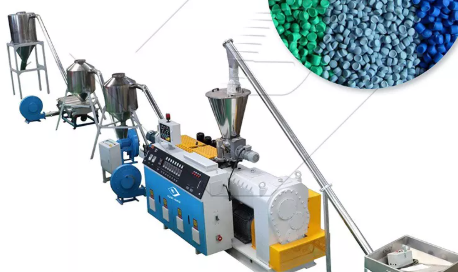
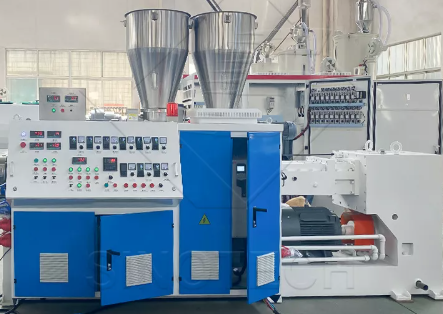
Plastic waste or PVC compound does not become reusable material by accident. It needs a controlled process. A PVC Granulation Extrusion Production Line turns prepared plastic into stable granules for later extrusion, molding, or compounding. In this article, you will learn each key step, why it matters, and how line design affects final pellet quality.
Key Takeaways
Plastic granulation is the process of turning plastic material into uniform granules or pellets through preparation, melting, extrusion, cutting, cooling, and collection. It is more than simple crushing because the material must be cleaned, dried, plasticized, and shaped into a usable form. A PVC Granulation Extrusion Production Line is designed for PVC compounds, recycled PVC, and plasticized PVC materials. It helps control feeding, temperature, melt flow, pelletizing, and cooling. Good granulation depends on clean raw material, stable extrusion, proper filtration, accurate cutting, and suitable cooling. Poor drying, mixed materials, worn blades, or wrong temperature settings can lead to bubbles, uneven pellets, discoloration, and unstable downstream processing.
1. What Does Plastic Granulation Mean?
Plastic granulation means converting plastic material into small, uniform granules. These granules can then be used again in extrusion, injection molding, compounding, or other plastic production processes. In many factories, this step helps turn scrap or prepared compound into a more stable and easier-to-handle material.
It is important to understand that plastic granulation is not only size reduction. Crushing or shredding only makes plastic smaller. Granulation usually goes further. It prepares the material, melts it, plasticizes it, pushes it through a die, cuts it into pellets, cools it, and collects it for the next production stage.
Granules and pellets are often used in similar ways. Some people use “granules” for recycled or processed material and “pellets” for more uniform industrial feedstock. In practical production, the goal is the same: a clean, flowable material with stable size, shape, and processing behavior.
Plastic granulation matters because it improves feeding stability and material reuse. Loose scrap, powder, flakes, or mixed fragments may be hard to feed into a production machine. Granules are easier to store, transport, measure, and process. This is why a plastic granulation production line is often used before further manufacturing.
2. The Complete Plastic Granulation Process Step by Step
The plastic granulation process begins before the material reaches the extruder. First, the plastic must be sorted by material type, color, grade, and contamination level. This step is critical because mixed or incompatible plastics can cause poor melt flow, unstable output, and weak final products.
After sorting, large plastic pieces are crushed or shredded into smaller flakes. This helps the material feed more evenly into the next equipment. For rigid plastic, shredding reduces large parts into manageable pieces. For softer materials, the process may need better feeding control to prevent bridging or uneven flow.
Washing removes dust, sand, oil, labels, metal particles, and other impurities. If these contaminants stay in the material, they may damage equipment, block filters, leave black spots, or reduce pellet quality. After washing, the material must be dried. Moisture can cause bubbles, foaming, poor surface quality, and unstable extrusion pressure.
The dried material then enters the extruder. Inside the barrel, heat and screw shear soften and melt the plastic. The screw conveys the material forward, compresses it, mixes it, and helps form a uniform melt. For PVC, this stage needs careful control because excessive heat may affect material stability.
Filtration removes solid impurities from the molten plastic. Degassing removes trapped air, moisture, or volatile substances. These two steps help improve pellet density and appearance. Finally, the molten plastic is shaped through a die, cut into pellets, cooled, dried if needed, screened, and collected.
Tip: Always treat washing and drying as quality-control steps, not only preparation steps. Poor drying can ruin an otherwise stable extrusion process.
3. How a PVC Granulation Extrusion Production Line Works
A PVC Granulation Extrusion Production Line is built to process PVC-based materials into uniform granules. The raw material may include PVC powder, PVC compound, recycled PVC, plasticized PVC, or mixed formulations. Since PVC has specific processing behavior, the line must control feeding, heat, screw action, and pelletizing more carefully than many simple plastic recycling systems.
The feeding system sends material into the extruder at a steady rate. If feeding is unstable, the screw cannot maintain constant pressure. This may lead to output fluctuation, uneven melt, irregular pellet size, or material waste. For powder or soft PVC compounds, stable feeding is especially important.
The extruder is the core of the line. Its screw and barrel must support plasticizing, mixing, and pressure building. PVC processing needs balanced shear and temperature. Too little heat may cause poor plasticizing. Too much heat may create discoloration, odor, or degraded material. This is why temperature control zones matter.
After melting, the material passes through the die head and pelletizing system. The pelletizing method affects pellet shape, size, surface quality, and cooling behavior. The pellets are then cooled and dried before entering the collection system.
4. Key Equipment Used in Plastic Granulation
A complete granulation line usually includes several connected units. Each one affects the stability of the final output. The crusher or shredder reduces large waste, rigid pieces, films, or profiles into smaller material. This makes feeding easier and helps the extruder work more steadily.
The screw and barrel are the main working parts of the extruder. The screw moves material forward while mixing and compressing it. The barrel provides controlled heating around the screw. Together, they determine how well the plastic is melted and homogenized.
The hopper, motor, gearbox, and control system also play important roles. The hopper manages feeding. The motor and gearbox provide torque and speed. The control system helps operators adjust temperature, screw speed, and other settings. These parts must work together to keep production stable.
Cooling, cutting, and collection units complete the process. They shape the molten plastic into usable pellets and prepare it for packaging or further production.
Equipment Area
Main Function
Why It Matters
Crusher or shredder
Reduces material size
Supports stable feeding
Feeding system
Sends material into extruder
Prevents output fluctuation
Screw and barrel
Melts and mixes plastic
Controls melt quality
Die head
Shapes molten material
Affects pellet consistency
Pelletizer
Cuts material into pellets
Controls pellet size
Cooling and drying unit
Stabilizes and dries pellets
Reduces moisture problems
Note: Equipment selection should follow the material condition, not only the expected output. PVC powder, soft PVC, and recycled PVC may need different feeding and extrusion settings.
5. Cold Pelletizing vs Hot Pelletizing in Plastic Granulation
Cold pelletizing and hot pelletizing are two common methods. In cold pelletizing, the extruder pushes molten plastic through a die to form strands. These strands are cooled first, often by water or air, and then cut into pellets. This method is widely used because it is simple, stable, and suitable for many standard extrusion granulation processes.
In hot pelletizing, the molten plastic is cut near the die face before downstream cooling. This method can improve automation and pellet shape for certain materials. It may also reduce some handling steps, depending on the line design and material behavior.
Choosing the right method depends on the plastic type, output demand, pellet shape requirement, cooling method, maintenance plan, and production budget. For PVC granulation, the choice should also consider heat sensitivity and formulation stability. A suitable pelletizing method can reduce pellet defects and improve production continuity.
6. What Affects the Quality of Plastic Granules?
Raw material cleanliness is one of the biggest factors. Dust, labels, oil, sand, or metal particles can affect melt quality and final pellet appearance. They may also increase filter pressure and reduce equipment life. Clean material gives the line a better chance to produce stable granules.
Temperature control is another key factor. During extrusion, each heating zone must match the material’s processing needs. PVC needs careful temperature management because it can be sensitive to overheating. Stable temperature helps improve plasticizing and reduces discoloration or degradation.
Screw configuration also affects quality. A suitable screw helps mix the material, maintain pressure, and create a uniform melt. If the screw does not match the material, the line may produce uneven pellets, poor flow, or unstable output.
Cutting and cooling are just as important. Dull blades, poor alignment, or unstable cutter speed may create fines, long pellets, or irregular shapes. Cooling must be fast enough to stabilize pellet shape, but it should not create excess moisture problems.
Tip: If pellet quality changes suddenly, check raw material moisture, cutter condition, and extrusion temperature before replacing major equipment.
7. Our PVC Granulation Extrusion Production Line Products and Services
SINOTECH Machinery Co., Ltd.provides plastic machinery solutions, including PVC granulation extrusion equipment for customers who need stable PVC pellet production. The company’s PVC Granulation Extrusion Production Line can support feeding, extrusion, plasticizing, pelletizing, cooling, drying, and collection for PVC compounds, recycled PVC, and plasticized PVC materials.
The value of the line is not only in making pellets. It helps customers build a more controlled production process. By matching the feeding method, screw design, pelletizing system, cooling method, and automation level to the material, the line can reduce unstable output, pellet defects, and unnecessary downtime.
For PVC materials, stable processing is especially important. The line needs reliable temperature control, steady melt flow, suitable filtration, accurate cutting, and efficient cooling. These features help improve pellet consistency and make the granules easier to use in later extrusion or molding processes.
The company also supports equipment selection and production planning. Customers can discuss raw material type, expected capacity, pellet size, workshop layout, and process requirements before choosing a line. This helps avoid mismatched equipment and supports smoother project setup.
8. Common Problems in the Plastic Granulation Process
Unstable feeding is a common issue. It may come from irregular flakes, lightweight material, poor hopper flow, or inconsistent raw material size. When feeding is unstable, the extruder pressure changes. This affects pellet size and output.
Bubbles or foaming often come from moisture, trapped air, or volatile residues. Better drying and degassing can usually reduce this problem. If the material is clean but bubbles remain, the extrusion temperature and screw speed should also be checked.
Inconsistent pellet size may come from worn blades, unstable extrusion pressure, poor cooling, or improper pelletizer settings. This issue can affect downstream feeding and melting. Regular blade inspection helps keep pellet shape more stable.
Material degradation or discoloration may happen when the temperature is too high, residence time is too long, or the material contains impurities. For PVC, this risk needs more attention. Operators should adjust temperature carefully and avoid unnecessary overheating.
Conclusion
Plastic granulation turns prepared plastic into reusable pellets. The process includes sorting, crushing, washing, drying, extrusion, filtration, pelletizing, cooling, and collection. Each step affects final quality. A well-designed PVC Granulation Extrusion Production Line helps improve pellet stability, reduce waste, and support smoother downstream production.
FAQS
Q: What is plastic granulation?
A: It turns plastic into uniform granules for reuse.
Q: How does a PVC Granulation Extrusion Production Line work?
A: A PVC Granulation Extrusion Production Line feeds, melts, cuts, cools, and collects PVC pellets.
Q: Why is drying important?
A: Moisture can cause bubbles and unstable extrusion.
Q: Is a PVC Granulation Extrusion Production Line costly?
A: Cost depends on output, configuration, and automation.
Q: What causes uneven pellets?
A: Worn blades, unstable pressure, or poor cooling.
Q: Why choose PVC granulation?
A: It improves reuse, feeding, and material handling.
We are a professional manufacturer of plastic machines and we have devoted ourselves to the development, research, and production of plastic machinery for more than 20 years.