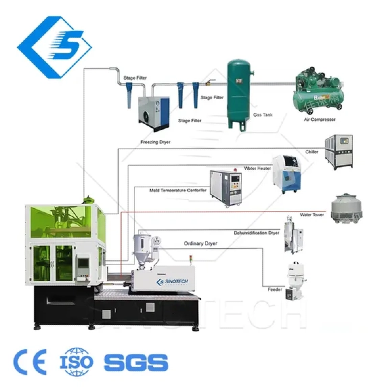
Blow molding machines are essential pieces of equipment in the production of plastic containers, bottles, and other hollow products. These machines are crucial for industries such as packaging, automotive, and medical manufacturing. However, like any complex machinery, blow molding machines require regular maintenance and troubleshooting to ensure they operate efficiently and produce high-quality products. Proper maintenance can extend the lifespan of the machine, reduce downtime, and avoid costly repairs.
In this article, we’ll guide you through the best practices for maintaining and troubleshooting your blow molding machine. From daily inspections to addressing common issues, we’ll cover everything you need to keep your machine in top condition.
The Importance of Proper Maintenance for Blow Molding Machines
Blow molding machines are sophisticated systems with numerous moving parts, electrical components, and hydraulic systems. As with any industrial machinery, a failure to maintain these machines can result in increased downtime, decreased product quality, and unnecessary repair costs. By following a regular maintenance schedule, you can ensure that the machine operates efficiently, maintains its precision, and delivers consistent results.
Proper maintenance also helps reduce the risk of unexpected breakdowns, which can disrupt production schedules and lead to delays. Additionally, regular maintenance improves the overall safety of the machine, reducing the risk of accidents caused by malfunctioning parts.
Key Maintenance Tasks for Blow Molding Machines
To keep your blow molding machine running smoothly, it’s essential to perform several maintenance tasks regularly. These tasks can be grouped into daily, weekly, and monthly routines.
1. Daily Maintenance Tasks
Daily maintenance tasks are essential for keeping the machine clean, safe, and functioning correctly. These tasks are typically performed at the start or end of each shift.
a. Clean the Machine
Blow molding machines process plastic materials that can leave behind residue or debris. Over time, this buildup can affect the machine's performance. Cleaning the machine daily helps prevent contamination and ensures smooth operations. Focus on these areas:
Mold and nozzle: Clean the mold and nozzle area to remove any plastic residue. This ensures that new products are molded correctly without any defects.
Air lines: Blow molding machines use air to inflate the plastic parison. Make sure the air lines are free from blockages, dirt, or moisture.
Material feed system: Ensure that the material feed system is clean to avoid material contamination and maintain product quality.
b. Check for Leaks
Inspect the machine for any signs of hydraulic or air leaks. Leaking fluids can cause pressure inconsistencies, leading to defective products and machine failure. Look for wet spots or puddles around hoses, connections, and seals, and address any issues immediately.
c. Lubricate Moving Parts
Lubrication is crucial for keeping the moving parts of the blow molding machine functioning smoothly. Lubricate the machine’s hydraulic components, moving rails, and mold clamps according to the manufacturer’s recommendations to prevent wear and tear. Proper lubrication minimizes friction, reducing the risk of machine malfunction.
d. Inspect Electrical Connections
Check the electrical connections to ensure there are no loose wires, faulty connections, or visible damage. Electrical issues can lead to machine errors or safety hazards. Tighten any loose connections and replace damaged wires or connectors.
2. Weekly Maintenance Tasks
Weekly maintenance tasks are more in-depth and typically require a shutdown of the machine for a brief period. These tasks help identify potential issues before they escalate into more serious problems.
a. Inspect Hydraulic Systems
Hydraulic systems are a core component of blow molding machines. Check the hydraulic oil level and condition to ensure it is clean and at the correct level. Low oil levels or contaminated oil can lead to inconsistent pressure and affect the machine's performance. Replace the hydraulic oil if necessary, and inspect the hydraulic lines and fittings for wear or leaks.
b. Clean and Inspect Filters
Filters are essential in maintaining the quality of air and hydraulic fluid in the machine. Inspect and clean the air and hydraulic filters to prevent clogs that can impede airflow or fluid flow. Replace filters that appear damaged or overly dirty to maintain optimal performance.
c. Check Mold Alignment
Mold alignment is critical for producing accurate and high-quality products. Over time, molds can become misaligned due to wear or vibration. Check the mold alignment and adjust as necessary to ensure consistent mold closure and accurate product dimensions. Misalignment can lead to defects, inconsistent wall thickness, and increased scrap rates.
d. Inspect Cooling Systems
Blow molding machines require cooling systems to regulate the temperature of the material and prevent overheating. Inspect the cooling lines, fans, and water circuits to ensure they are functioning correctly. Clean the cooling systems to prevent blockages or buildup, and check the water temperature to make sure it is within the optimal range.
3. Monthly Maintenance Tasks
Monthly maintenance tasks are more comprehensive and may involve disassembling parts of the machine to inspect and replace components. These tasks help to identify underlying issues that may not be visible during daily or weekly inspections.
a. Inspect and Replace Worn Components
Over time, certain parts of the blow molding machine, such as mold clamps, guides, and seals, will wear out and require replacement. Inspect these components for signs of wear, cracks, or damage, and replace them as needed. Worn-out components can lead to poor product quality and machine failure.
b. Check the Blow Pin and Nozzle
The blow pin and nozzle are responsible for inflating the plastic parison, so it is crucial to ensure they are in good condition. Inspect these components for wear, cracks, or blockages. Clean the blow pin and nozzle regularly to ensure proper airflow and prevent contamination during the molding process.
c. Test Pressure and Temperature Controls
Blow molding machines rely on precise pressure and temperature settings to produce high-quality products. Test the pressure and temperature controls regularly to ensure they are accurate and within the correct range. If necessary, calibrate the machine to maintain optimal molding conditions.
d. Check and Clean Venting Systems
The venting system in a blow molding machine removes excess air from the mold during the blowing process. Over time, vents can become clogged with plastic residue or dirt. Clean the venting system to ensure proper air circulation, which helps prevent defects and ensures consistent product quality.
Common Blow Molding Machine Problems and Troubleshooting Tips
Even with regular maintenance, issues can sometimes arise with blow molding machines. Here are some common problems and troubleshooting tips to help you identify and resolve issues quickly.
1. Problem: Low Air Pressure
Cause: Low air pressure can result from a variety of factors, including leaks in the air lines, faulty valves, or a malfunctioning compressor.
Solution: Check the air lines for leaks and ensure that the valves are properly adjusted. Inspect the compressor to ensure it is operating at full capacity. If the issue persists, replace the faulty components.
2. Problem: Inconsistent Product Quality
Cause: Variations in product quality can be caused by inconsistent mold alignment, incorrect temperature settings, or material issues.
Solution: Check the mold alignment to ensure it is correctly positioned. Verify that the temperature settings are within the correct range for the material being used. Inspect the material for impurities or inconsistencies that could affect product quality.
3. Problem: Poor Cooling
Cause: Poor cooling can lead to distorted products, longer cycle times, and reduced material strength. This issue can result from clogged cooling lines, low coolant levels, or malfunctioning fans.
Solution: Clean the cooling lines and ensure that the fans are functioning correctly. Check the coolant levels and replace or top up the coolant if necessary. If the cooling system is not working effectively, consider upgrading to a more efficient system.
4. Problem: Machine Overheating
Cause: Overheating can occur due to excessive friction, worn-out bearings, or insufficient lubrication.
Solution: Check the lubrication system and ensure that all moving parts are properly lubricated. Inspect bearings and other friction points for wear, and replace them as needed. If the machine is still overheating, consider improving the cooling system or reducing the machine’s workload.
5. Problem: Mold Wear and Tear
Cause: Molds can wear out over time due to the constant pressure and heat they endure during the blow molding process.
Solution: Inspect the molds regularly for signs of wear, such as cracks or deformities. Clean the molds thoroughly to remove any buildup, and replace any damaged molds or components. Proper mold maintenance is essential to ensure consistent product quality.
Conclusion
Maintaining and troubleshooting blow molding machines is essential for ensuring smooth and efficient production. Regular maintenance tasks, such as cleaning, lubrication, and component inspection, can help extend the lifespan of your machine, reduce downtime, and improve product quality. By addressing common issues like air pressure problems, mold wear, and cooling issues, you can minimize disruptions to production and ensure that your blow molding machine operates at peak efficiency.
Remember that investing in regular maintenance not only saves you money on repairs but also helps your business stay competitive by maintaining high standards of quality and productivity. By understanding the key maintenance tasks and troubleshooting tips for blow molding machines, you can keep your production line running smoothly and efficiently.
For businesses looking to ensure top-quality performance and reliable service, SINOTECH Machinery Co., Ltd. provides advanced blow molding solutions. With their commitment to quality and customer support, SINOTECH Machinery Co., Ltd. offers blow molding machines that help businesses optimize their production processes and achieve maximum efficiency. Whether you’re seeking to enhance your machine’s longevity or improve product quality, SINOTECH is here to support you every step of the way.


