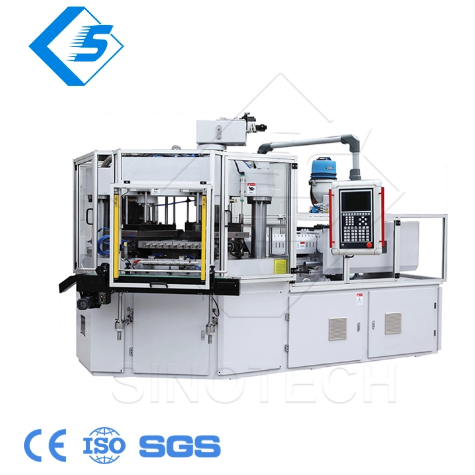
An injection blow molding machine is widely used for pharmaceutical and cosmetic bottles because these products require stable dimensions, precise neck finish, reliable thread accuracy, and a clean appearance. Although these bottles are usually smaller than industrial containers, their production standards are often stricter, especially in applications such as pill bottles, eye-drop bottles, serum bottles, lotion bottles, and other compact packaging formats. For that reason, an injection blow molding machine is commonly chosen for small bottle production where consistency, closure fit, and repeatable bottle geometry are important.
Key Takeaways
● An injection blow molding machine is widely used for pharmaceutical and cosmetic bottle production.
● An injection blow molding machine is especially suitable for small bottles with precise neck finish and stable dimensions.
● Pharmaceutical bottles rely on an injection blow molding machine for thread accuracy, bottle consistency, and controlled sealing performance.
● Cosmetic bottles often use an injection blow molding machine because appearance quality and repeatability are important.
● A suitable injection blow molding machine should be evaluated by bottle size, resin type, cavity requirement, and output target.
● Multi-cavity design, rotary structure, and stable operation are key features in an injection blow molding machine for bottle manufacturing.
What Is an Injection Blow Molding Machine?
How the Process Works
An injection blow molding machine combines injection molding and blow molding in one coordinated production method. The process usually begins with a preform being injection molded around a core rod, after which the preform is transferred to a blow station and expanded into the final bottle shape. Because the neck is formed during the injection stage, an injection blow molding machine is known for strong control over neck finish and bottle-mouth precision.
How It Differs from Standard Injection Molding
An injection blow molding machine should not be confused with a standard injection molding machine. A conventional injection molding process forms solid parts directly in one mold cycle, while an injection blow molding machine is designed specifically for hollow bottles and containers. This distinction is important in pharmaceutical and cosmetic packaging, where the structure of the bottle must combine a hollow body with a highly accurate opening.
Why It Fits Small Bottle Manufacturing
An injection blow molding machine fits small bottle manufacturing because the process is built around precision rather than large hollow volume. Small bottles often need accurate necks, stable thread geometry, and a consistent wall structure from part to part. In that environment, an injection blow molding machine offers a production route that matches the technical expectations of medicine and cosmetic packaging.
Why Injection Blow Molding Machines Are Used for Pharmaceutical Bottles
Neck Precision and Thread Accuracy
An injection blow molding machine is widely used for pharmaceutical bottles because closure performance depends heavily on neck precision and thread accuracy. A pill bottle or liquid medicine bottle must seal reliably, and even a small variation at the neck can affect cap fit and packaging stability. For that reason, an injection blow molding machine is often chosen when bottle-mouth consistency is a central quality requirement.
Dimensional Consistency in Repeated Production
A pharmaceutical bottle line needs repeatability across large production runs, and an injection blow molding machine is well suited to that requirement. Consistent bottle dimensions support filling, capping, labeling, and downstream handling without excessive variation. In medicine packaging, an injection blow molding machine is therefore valued not only for bottle shape, but also for uniformity from cavity to cavity and from batch to batch.
Clean Appearance and Controlled Bottle Quality
Pharmaceutical packaging is functional first, but appearance still matters because surface defects can signal poor quality control. An injection blow molding machine supports smoother bottle appearance and more stable visual standards in smaller containers. This makes an injection blow molding machine a practical choice where clean bottle presentation and controlled production quality must work together.
Why Injection Blow Molding Machines Are Used for Cosmetic Bottles
Appearance Quality in Cosmetic Packaging
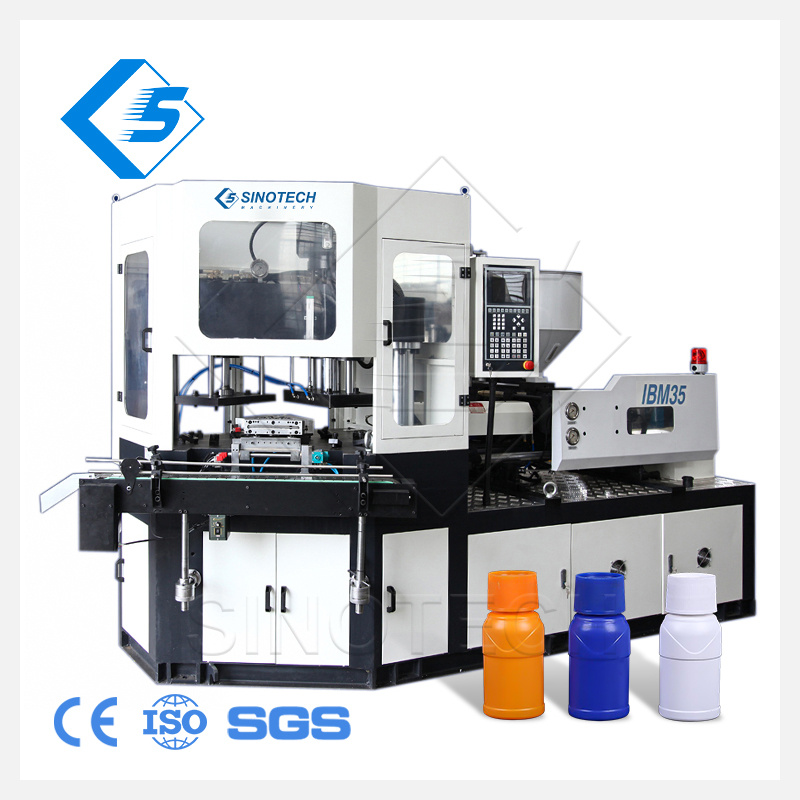
A cosmetic bottle is often judged by appearance as much as by function, and an injection blow molding machine performs well in this area. The process is suitable for containers that require a refined surface, consistent bottle shape, and stable decorative presentation after filling and labeling. For many personal care products, an injection blow molding machine supports a finish standard that aligns with the visual expectations of cosmetic packaging.
Compatibility with Small and Medium Bottle Formats
An injection blow molding machine is frequently used for cosmetic bottles because many cosmetic packages are small or medium in size. Containers for lotion, toner, serum, cream, and care products often need a controlled neck and a precise body shape rather than large-volume capacity. Under those conditions, an injection blow molding machine is a strong fit for repeatable packaging manufacture.
Stable Repetition Across Product Runs
Cosmetic packaging often includes multiple production runs with strict consistency requirements, especially when the same bottle design is used across wide retail distribution. An injection blow molding machine supports that repetition with stable geometry and accurate neck formation. That makes an injection blow molding machine useful in production environments where packaging variation can weaken visual consistency on the shelf.
Key Features to Look for in an Injection Blow Molding Machine
Rotary Structure and Production Flow
A modern injection blow molding machine often uses a multi-station or rotary structure to keep the process efficient and coordinated. This kind of design allows the preform to move from injection to blowing in a controlled sequence, which supports precision and cycle stability. When comparing an injection blow molding machine for pharmaceutical and cosmetic bottles, the production flow design is one of the first technical areas worth reviewing.
Multi-Cavity Capability and Output Efficiency
A suitable injection blow molding machine should be evaluated for cavity configuration as well as total output. Multi-cavity production can improve efficiency when the bottle design, order volume, and packaging schedule justify higher productivity. In bottle applications where consistency is important, a multi-cavity injection blow molding machine should maintain stable performance across all formed parts.
Material Compatibility and Operating Stability
An injection blow molding machine used for pharmaceutical and cosmetic bottles must also be reviewed in terms of resin compatibility and process stability. Different projects may involve materials such as PP, PE, SAN, PMMA, PC, PETG, or other suitable thermoplastics, depending on bottle function and product positioning. A reliable injection blow molding machine should combine material flexibility with steady operation, especially when production runs are long or bottle quality tolerance is tight.
What to Review in Machine Selection
Feature | Why It Matters for Bottle Production |
Neck precision | Supports cap fit and sealing consistency |
Multi-cavity design | Improves output efficiency |
Rotary or station structure | Supports stable production flow |
Material compatibility | Matches different bottle applications |
Stable operation | Supports long and repeatable production runs |
Injection Blow Molding Machine Applications in Pharma and Cosmetics
Pill Bottles and Health Care Packaging
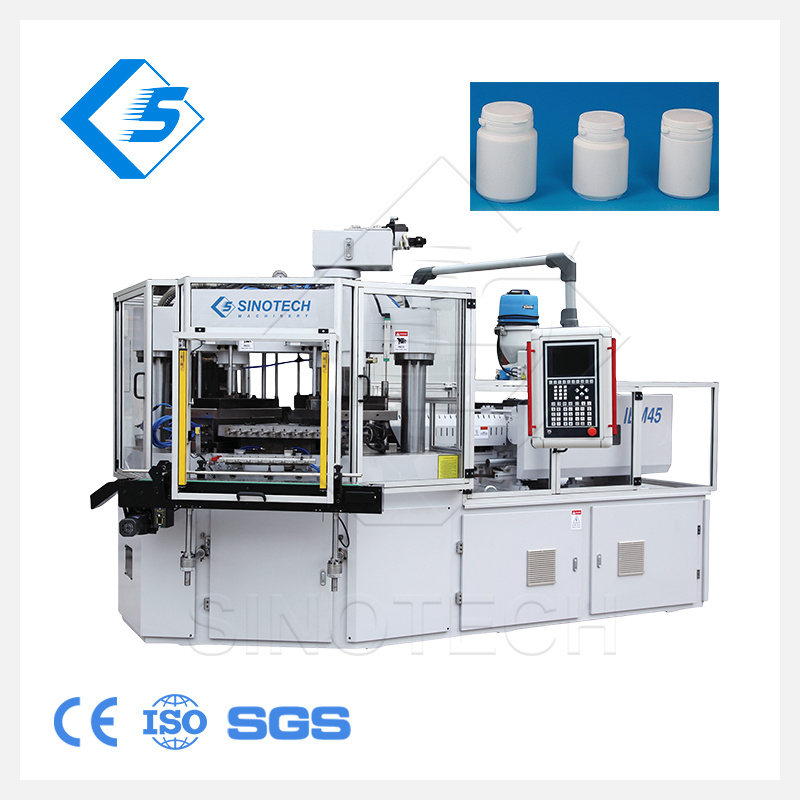
A common application for an injection blow molding machine is pill bottle production. These bottles require repeatable neck finish, stable threads, and consistent dimensions for storage, capping, and transport. In health care packaging, an injection blow molding machine is often selected because the bottle must perform reliably in both production and final use.
Dropper Bottles and Liquid Medicine Containers
An injection blow molding machine is also used for smaller liquid medicine containers and dropper bottles. These applications need controlled bottle openings and consistent formation where dosing, dropper assembly, or closure alignment is involved. In such cases, an injection blow molding machine supports a tighter standard than would usually be expected in general-purpose packaging.
Cosmetic and Personal Care Containers
A cosmetic container produced on an injection blow molding machine can meet the combined requirement of functional bottle accuracy and visual uniformity. Lotion bottles, toner containers, and small personal care packages often benefit from stable geometry and surface consistency. That is why an injection blow molding machine remains highly relevant in both pharmaceutical and cosmetic bottle manufacturing.
How to Choose the Right Injection Blow Molding Machine
Choose Based on Bottle Size and Design
The right injection blow molding machine should first be matched to bottle size and bottle structure. A small pill bottle and a cosmetic bottle may both require precision, but their cavity layout, wall distribution, and neck design can still differ. Bottle drawings should therefore guide injection blow molding machine selection from the beginning.
Choose Based on Material and Precision Requirement
Material and precision requirement should be reviewed together when choosing an injection blow molding machine. Some bottle projects focus mainly on sealing and function, while others combine functional requirements with higher appearance standards. A suitable injection blow molding machine must therefore match both the resin characteristics and the dimensional expectations of the finished bottle.
Choose Based on Output Target and Production Plan
An injection blow molding machine should also be selected according to expected output and production schedule. Lower-volume projects may prioritize flexibility, while larger bottle programs may need multi-cavity efficiency and stable cycle control. In practical procurement, the stronger injection blow molding machine is the one that fits both current bottle demand and future production planning.
Matching Machine Focus to Bottle Need
Bottle Requirement | Recommended Focus |
Small pill bottle | Neck accuracy and consistency |
Cosmetic bottle | Surface quality and repeatability |
Multi-size production | Mold flexibility |
Higher output target | Multi-cavity efficiency |
Specialty resin use | Material compatibility |
SINOTECH Injection Blow Molding Machine Solutions
Matching Equipment to Bottle Production Needs
A buyer looking for an injection blow molding machine for pharmaceutical and cosmetic bottles usually needs more than a broad machine category. Bottle size, annual demand, resin type, precision requirement, and cavity planning all affect the final machine decision. In that context, an injection blow molding machine should be selected as part of a production plan rather than as an isolated machine purchase.
Practical Considerations in Supplier Evaluation
When comparing suppliers, the evaluation of an injection blow molding machine often includes machine structure, material range, training support, and whether the equipment can be adjusted to actual bottle demand. Pharmaceutical and cosmetic packaging projects usually require a more detailed discussion than general packaging equipment. That is why a suitable injection blow molding machine solution should reflect both product quality standards and actual production targets.
Conclusion
Final Comparison of Suitability
An injection blow molding machine is especially well suited to pharmaceutical and cosmetic bottle production because these applications depend on precision, repeatability, and consistent neck quality. Small bottle packaging in these sectors often demands more than simple hollow forming, and an injection blow molding machine provides a process route built around that higher standard. When bottle shape, closure fit, surface quality, and stable output all matter at the same time, this machine type becomes a strong manufacturing option.
Process Choice in Real Production Planning
The right injection blow molding machine should be chosen according to bottle size, resin type, cavity requirement, precision target, and production scale. In real procurement, the better machine is not simply the one with the broadest specification, but the one that fits the bottle program most accurately. In this context, SINOTECH Machinery Co., Ltd. is closely associated with bottle-oriented blow molding equipment, including injection blow molding machine solutions for pharmaceutical and cosmetic packaging projects.
FAQ
Why is an injection blow molding machine suitable for pill bottles?
An injection blow molding machine is suitable for pill bottles because pill bottle production depends on accurate neck finish, stable threads, and repeatable bottle geometry. These features affect both closure performance and packaging consistency. That is why an injection blow molding machine is commonly linked with pharmaceutical bottle applications.
Can an injection blow molding machine be used for cosmetic containers?
Yes, an injection blow molding machine can be used for cosmetic containers, especially where the bottle is small or medium in size and requires a controlled finish. Cosmetic packaging often places weight on appearance consistency as well as structural accuracy. Under those conditions, an injection blow molding machine is a practical production choice.
What features should be checked before buying an injection blow molding machine?
Before buying an injection blow molding machine, it is useful to check cavity configuration, neck precision, material compatibility, production structure, and output target. These factors influence whether the machine fits the intended bottle program. A suitable injection blow molding machine should align with both bottle quality expectations and production volume.


