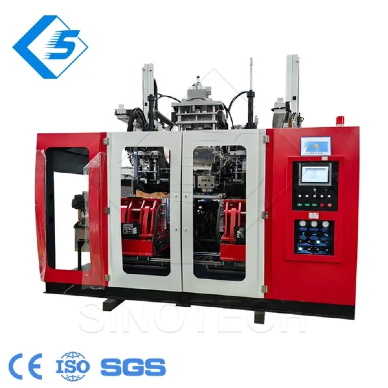
In recent years, the push for sustainability has become a top priority for industries across the globe, particularly in manufacturing. The environmental impact of production processes and the need for greener practices have led to significant changes in the way products are made. One area that has seen innovation in terms of sustainability is plastic packaging production, and at the heart of this transformation are blow molding machines.
Blow molding machines have long been essential in the production of hollow plastic products such as bottles, containers, and jars. But today, they are evolving to meet the demands of a more sustainable future. These machines are not only improving the efficiency and quality of plastic products but are also playing a vital role in reducing environmental footprints. In this article, we will explore how blow molding machines contribute to sustainability in manufacturing, focusing on key aspects such as energy efficiency, material waste reduction, recyclability, and the use of sustainable materials.
What is Blow Molding?
Before diving into the sustainability aspects, let's first understand what blow molding is. Blow molding is a manufacturing process used to create hollow plastic products by inflating a heated plastic tube (known as a parison) inside a mold. The parison is either extruded or injected, depending on the type of blow molding process being used, and then air is blown into it, forcing the plastic to expand and conform to the shape of the mold.
There are three main types of blow molding processes:
Extrusion Blow Molding (EBM): A plastic tube is extruded and inflated inside a mold to create products like bottles and containers.
Injection Blow Molding (IBM): A mold is used to form the parison through injection, and then air is blown to shape the final product.
Stretch Blow Molding (SBM): The parison is stretched before being inflated, which helps produce stronger and clearer plastic containers.
Blow molding is used in a variety of industries, especially for packaging products like beverage bottles, household cleaners, and personal care items. The ability to produce high volumes of containers with minimal waste has made blow molding an essential process in the production of plastic packaging.
Sustainability Challenges in Manufacturing and Plastic Production
Manufacturing, particularly plastic production, has long been associated with negative environmental impacts. These include:
High energy consumption: Traditional manufacturing processes can consume significant amounts of energy, contributing to carbon emissions and resource depletion.
Material waste: Many manufacturing processes produce substantial waste, much of which is non-recyclable or ends up in landfills.
Plastic pollution: Plastic waste, particularly single-use plastic containers, has been a significant contributor to environmental pollution, particularly in oceans and waterways.
Dependence on fossil fuels: Plastic production is primarily reliant on petroleum-based raw materials, which are non-renewable and contribute to climate change.
As public awareness of these issues increases, manufacturers are seeking ways to reduce their environmental impact. Blow molding machines have evolved to support these sustainability goals, enabling the production of plastic products that are not only efficient but also more environmentally friendly.
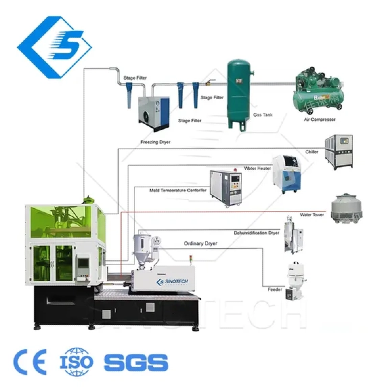
How Blow Molding Machines Contribute to Sustainability
Blow molding machines are integral to the advancement of sustainable manufacturing practices in the plastic industry. Let’s look at several ways these machines are contributing to sustainability.
1. Energy Efficiency Improvements
One of the most significant environmental benefits of modern blow molding machines is their improved energy efficiency. Blow molding has historically been an energy-intensive process, requiring large amounts of electricity and heat to shape plastic. However, advancements in blow molding technology have led to machines that use less energy while maintaining high-speed production rates.
Here are some key innovations in energy efficiency:
Electric Blow Molding Machines: Traditional blow molding machines are typically powered by hydraulic systems, which consume a lot of energy. However, electric blow molding machines use electric motors instead of hydraulics, which are more efficient and provide precise control over the machine’s movements. These machines consume less energy and produce fewer emissions compared to their hydraulic counterparts.
Hybrid Blow Molding Machines: Hybrid machines combine hydraulic and electric systems, offering the benefits of both. These machines use electric motors for precise control while maintaining hydraulic force for heavy-duty applications, improving both energy efficiency and performance.
Heat Recovery Systems: Some modern blow molding machines are equipped with heat recovery systems that capture and reuse excess heat from the process. This reduces the overall energy consumption by utilizing the waste heat to preheat the material, which can significantly lower energy costs.
By reducing energy consumption, blow molding machines help manufacturers lower their carbon footprint and contribute to a more sustainable production process.
2. Reduction in Material Waste
Blow molding machines are designed to minimize material waste, a key factor in promoting sustainability. In the past, blow molding processes often resulted in a significant amount of scrap material, which contributed to waste and increased production costs. However, modern blow molding machines are designed with various features that reduce waste during production:
Precise Control over Material Flow: Advanced blow molding machines provide precise control over the flow of plastic material, ensuring that only the necessary amount of material is used for each product. This reduces excess plastic that would otherwise go to waste.
Reduced Parison Waste: The parison, or the tube of plastic that is inflated to form the container, is a key component of blow molding. Older machines produced large amounts of parison waste due to imprecise extrusion. Newer blow molding machines, however, have more accurate extrusion systems that reduce the size of the parison, leading to less waste material.
Automated Regrinding: Some blow molding systems feature automated regrinding capabilities, where scrap material is shredded, cleaned, and reused in the production process. This helps minimize the need for new plastic material, which not only saves on raw material costs but also reduces the environmental impact associated with producing new plastic.
By reducing material waste, blow molding machines contribute to more efficient resource use and help reduce the environmental burden of plastic production.
3. Recyclability of Products
Another important aspect of sustainability is ensuring that the plastic products produced are recyclable. Blow molding machines play a significant role in supporting the use of recycled plastics in the production of new products. Recycled plastics help reduce the demand for virgin materials, making the production process more sustainable.
Use of Recycled PET (rPET): One of the most common applications of recycled plastic in blow molding is the use of recycled PET (rPET) in the production of bottles. PET bottles are widely recycled and used to produce new bottles, reducing the need for virgin plastic. Blow molding machines are designed to handle rPET, allowing manufacturers to create high-quality products from recycled materials.
Closed-Loop Systems: Many manufacturers are adopting closed-loop systems that recycle plastic materials from the production process back into the system. This reduces waste and the need for new raw materials, creating a more sustainable manufacturing process.
Multi-Layered Containers for Enhanced Recyclability: Some modern blow molding machines allow for multi-layered blow molding, where different types of plastic can be layered together to create products with enhanced strength or barrier properties. This process also allows for the inclusion of recyclable materials, further promoting sustainability.
By integrating recycled materials into the production process and enabling the creation of recyclable products, blow molding machines help reduce plastic waste and support the circular economy.
4. Lightweighting for Reduced Material Use
Lightweighting is a trend in plastic packaging where products are designed to use less material while still maintaining the necessary strength and durability. Blow molding machines contribute to this effort by allowing manufacturers to control the thickness of plastic containers with great precision. This helps create containers that are both lightweight and strong, reducing the overall amount of plastic used in production.
Thin-Walled Bottles: In the beverage industry, for example, blow molding machines can produce thin-walled bottles that use significantly less material than traditional bottles. This reduction in material not only lowers production costs but also minimizes the environmental impact of plastic packaging.
Efficient Packaging Design: Modern blow molding machines also enable more efficient packaging designs that minimize material waste. By designing containers with optimized shapes and thinner walls, manufacturers can reduce their plastic consumption without compromising the performance of the product.
Lightweighting is a crucial strategy for reducing the environmental footprint of plastic packaging, and blow molding machines play an essential role in making this possible.
5. Improved Durability for Longer Lifespan
Blow molding machines also contribute to sustainability by producing more durable plastic products. Durable products have a longer lifespan, which means they need to be replaced less frequently, reducing overall waste and consumption.
Stronger Containers: Blow molding processes, particularly stretch blow molding, create plastic containers with enhanced strength. These stronger products can withstand higher pressures and are less likely to break, leading to a reduction in plastic waste over time.
Reusability: Many blow molded products, such as reusable bottles or containers, are designed to last longer and be used multiple times, decreasing the need for single-use plastic products.
Durable products contribute to a more sustainable future by reducing the frequency with which products need to be replaced, ultimately decreasing plastic waste.
Conclusion
Blow molding machines are at the forefront of making plastic manufacturing more sustainable. Through energy efficiency improvements, waste reduction, the use of recyclable materials, lightweighting, and the production of durable products, blow molding machines are helping manufacturers meet the increasing demand for sustainability in the plastic packaging industry.
As the focus on environmental impact continues to grow, blow molding technology will play an even more significant role in reducing the carbon footprint of plastic production. With advancements in machine technology, the ability to use recycled materials, reduce material waste, and optimize energy use will only improve, making blow molding an essential part of sustainable manufacturing practices.
For businesses looking to adopt more sustainable manufacturing practices, SINOTECH Machinery Co., Ltd. offers cutting-edge blow molding solutions. With a commitment to quality and innovation, SINOTECH provides machines that are not only efficient and versatile but also designed to support environmentally friendly production. Whether you’re aiming to reduce your carbon footprint, use recycled materials, or improve energy efficiency, SINOTECH Machinery Co., Ltd. is a trusted partner in the journey towards sustainability.


