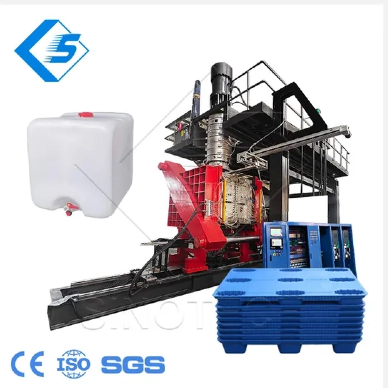
Blow molding has become one of the most widely used manufacturing processes for creating hollow plastic parts, such as bottles, containers, and automotive components. The versatility, efficiency, and cost-effectiveness of blow molding machines have made them essential tools in mass production, especially in industries like packaging, consumer goods, and automotive manufacturing.
In this article, we will explore the cost-effectiveness of blow molding machines in mass production. We will cover the factors that contribute to their cost-efficiency, how they help reduce production costs, and the role they play in driving profitability. By the end of this article, you will have a clear understanding of why blow molding machines are a smart investment for businesses looking to optimize production costs while maintaining high product quality.
What is Blow Molding?
Blow molding is a manufacturing process that forms hollow plastic parts by inflating a heated plastic tube, called a parison, inside a mold. The plastic is typically extruded or injected into the mold, where air is blown into the parison, forcing it to take the shape of the mold cavity. The resulting plastic products are then cooled and ejected from the mold.
Blow molding is particularly suited for creating items such as:
Plastic bottles (e.g., beverage containers)
Plastic containers (e.g., for cleaning products or chemicals)
Automotive parts (e.g., dashboards, bumpers)
Medical products (e.g., syringes, vials)
The blow molding process is capable of producing products in high volumes with precise dimensions and smooth finishes, making it an ideal choice for mass production in various industries.
Factors That Contribute to the Cost-Effectiveness of Blow Molding Machines
Blow molding machines are highly cost-effective, particularly in high-volume production settings. Several factors contribute to their affordability, both in terms of upfront investment and long-term operational costs.
1. High Production Efficiency
Blow molding machines are designed for high-speed production, enabling manufacturers to produce large quantities of plastic parts in a short amount of time. Once the machine is set up and the molds are prepared, blow molding machines can run continuously, producing thousands of products with minimal intervention.
In mass production settings, the ability to produce products rapidly translates directly into cost savings. The faster the machine operates, the lower the cost per unit, making blow molding ideal for businesses that need to produce large volumes of plastic containers or other products. Additionally, many blow molding machines are automated, reducing the need for manual labor and increasing production efficiency even further.
2. Minimal Material Waste
Blow molding machines are efficient in material usage, as the process minimizes the amount of plastic waste produced. Unlike other manufacturing processes, such as injection molding or rotational molding, blow molding requires less raw material to create the final product. The material is precisely shaped within the mold, leaving little to no excess plastic.
In addition, blow molding machines are designed to use recycled materials. Manufacturers can incorporate recycled plastic (e.g., rPET) into their production processes, reducing the reliance on virgin materials and further lowering material costs. Some blow molding machines are also equipped with automatic regrinding systems, allowing scrap plastic from the production process to be reused, further reducing waste and improving cost efficiency.
3. Low Labor Costs
Blow molding machines, especially those with automation capabilities, reduce the need for manual labor. In many modern blow molding machines, processes such as material feeding, molding, cooling, and ejection are all automated. This automation eliminates much of the human intervention required, resulting in lower labor costs and reduced chances of human error.
The use of automated systems also helps ensure that production runs are consistent, improving product quality and reducing defects, which can be costly to fix. This consistency also leads to fewer rejects, reducing waste and improving the overall efficiency of the production process.
4. Energy Efficiency
Modern blow molding machines have become significantly more energy-efficient than their predecessors. Energy consumption is one of the largest ongoing costs in manufacturing, and blow molding machines have seen significant improvements in this area.
Electric Blow Molding Machines: Traditional blow molding machines are often powered by hydraulic systems, which consume large amounts of energy. However, electric blow molding machines use electric motors to drive the machine’s movements, which are more energy-efficient and provide precise control.
Hybrid Machines: Hybrid blow molding machines combine the benefits of both hydraulic and electric systems, allowing for greater energy efficiency and high-performance output.
Energy-efficient machines lower electricity costs, making them more affordable to operate in the long run. For high-volume manufacturers, even small improvements in energy efficiency can lead to significant savings over time.
5. Long-Term Durability and Low Maintenance
Blow molding machines are designed for long-term durability, which contributes to their cost-effectiveness. While the initial investment in a blow molding machine may be high, the return on investment (ROI) is substantial due to the machine’s ability to run for many years with proper care.
Modern blow molding machines are built with high-quality materials and components, making them resistant to wear and tear. They are also equipped with advanced diagnostics and self-monitoring systems, which help identify issues before they become major problems. Regular maintenance is essential to ensure the machine continues to perform at its best, but with proper care, these machines can operate efficiently for many years.
Additionally, many blow molding machines are designed to be easy to maintain. With modular components and easy access to key parts, repairs and replacements can be done quickly, reducing downtime and repair costs. This ease of maintenance further enhances the cost-effectiveness of blow molding machines.
6. Customization and Versatility
Blow molding machines are highly versatile and can be customized to meet the needs of different production environments. Manufacturers can choose from different machine configurations based on their production volume, product complexity, and material preferences.
Blow molding machines can produce a wide variety of products, including multi-layered containers, bottles, and customized shapes. This versatility allows manufacturers to produce different types of products on the same machine, improving the return on investment by increasing machine utilization.
For example, a single blow molding machine can produce products in different sizes and shapes by changing the molds. This reduces the need for multiple machines and allows businesses to be more agile in responding to changing customer demands or market conditions.
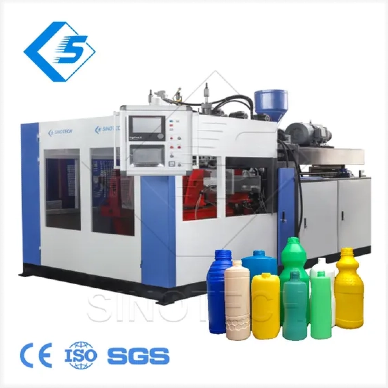
Blow Molding Machines in Mass Production: Key Applications and Industries
Blow molding machines are crucial in various industries, particularly those involved in high-volume production of plastic containers and components. Let’s take a look at some of the industries where blow molding machines have had a significant impact:
1. Packaging Industry
The packaging industry is the largest consumer of blow-molded products. Blow molding machines are used to create bottles, jars, containers, and other packaging products for food, beverages, personal care products, and household items. The ability to produce large volumes of bottles quickly and efficiently has made blow molding essential for companies in the packaging sector.
For example, beverage companies rely on blow molding to produce millions of PET bottles for water, soda, and juice. The high-speed production capabilities of blow molding machines allow these companies to meet the demand for plastic bottles while keeping production costs low.
2. Automotive Industry
The automotive industry also relies heavily on blow molding for manufacturing components such as dashboard parts, fuel tanks, and bumpers. Blow molding machines are used to produce hollow plastic components that are lightweight, durable, and cost-effective.
In the automotive industry, weight reduction is a key factor in improving fuel efficiency and reducing emissions. Blow molding allows manufacturers to produce lightweight parts without sacrificing strength, making it an ideal solution for automotive manufacturers seeking to create more efficient vehicles.
3. Medical Industry
In the medical industry, blow molding is used to create a variety of products, including medical bottles, syringes, and vials. These products must meet strict quality and safety standards, and blow molding machines are capable of producing high-precision parts that meet these requirements.
Blow molding is ideal for manufacturing disposable medical products in large quantities. The ability to produce clean and sterile products with high consistency makes blow molding machines invaluable in medical manufacturing.
How to Maximize the Cost-Effectiveness of Your Blow Molding Machine
While blow molding machines are generally cost-effective, manufacturers can take additional steps to maximize their ROI and production efficiency:
1. Optimize Machine Settings
Fine-tuning machine settings such as temperature, pressure, and cycle time can help reduce material waste, improve product quality, and lower energy consumption. Regularly reviewing and adjusting these settings based on the material and product being produced can further enhance cost-efficiency.
2. Invest in Automation
Adding automation to your blow molding process can improve production speed, reduce labor costs, and increase machine uptime. Automated material handling systems, robotic arms for mold handling, and automated quality control systems can significantly boost overall efficiency.
3. Use Recycled Materials
Whenever possible, use recycled plastics (such as rPET) in your production process. Blow molding machines are designed to process recycled materials, which can help reduce raw material costs while supporting sustainability efforts.
4. Regular Maintenance
Maintaining your blow molding machine is essential to ensure it operates efficiently and lasts for years. Regular inspections, lubrication, and part replacements can prevent costly breakdowns and extend the lifespan of your machine.
Conclusion
Blow molding machines have proven to be highly cost-effective in mass production due to their high-speed production, material efficiency, low labor costs, and energy efficiency. These machines allow manufacturers to produce large quantities of plastic containers and products with minimal waste, lower operational costs, and high-quality standards. By understanding the factors that contribute to the cost-effectiveness of blow molding machines, manufacturers can optimize their production processes and achieve maximum profitability.
For businesses seeking advanced blow molding solutions, SINOTECH Machinery Co., Ltd. provides cutting-edge machines that help optimize production efficiency while maintaining product quality. With their focus on innovation, energy efficiency, and customer satisfaction, SINOTECH Machinery Co., Ltd. offers reliable solutions designed to meet the needs of modern manufacturing environments.
Choosing the right blow molding machine can significantly improve your production efficiency and cost-effectiveness, and SINOTECH is here to help guide you in making the right investment for your business.


