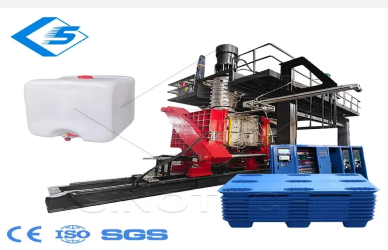
Blow molding is a widely used manufacturing process for producing hollow plastic products such as bottles, containers, and automotive parts. The process involves heating plastic material until it is soft and then forming it into a mold using air pressure. Blow molding is particularly valued in industries that require high-volume production, as it offers a cost-effective and efficient solution for creating complex shapes with uniform wall thickness. Its applications span across various sectors, including packaging, consumer goods, and even medical devices. With its ability to produce lightweight yet durable products, blow molding plays a crucial role in modern manufacturing, offering flexibility and scalability for different production needs.
Overview of Blow Molding Process
Blow molding is a manufacturing process used to create hollow plastic parts, such as bottles, containers, and various industrial components. This process involves melting plastic material and forming it into the desired shape by inflating it inside a mold using air or gas pressure. Blow molding is widely used in industries like packaging, automotive, and consumer goods because of its ability to produce lightweight, durable products efficiently.
1.Types of Blow Molding:
Extrusion Blow Molding
This is the most common type of blow molding process. In extrusion blow molding, plastic is melted and extruded into a hollow tube called a parison. The parison is then inflated within a mold to form the final shape. The process is ideal for producing large or small containers, including bottles and jars.
Injection Blow Molding
Injection blow molding combines injection molding and blow molding techniques. First, a preform (a small, molded part) is produced through injection molding. This preform is then placed into a mold where air is blown into it to form the final product. This method is highly accurate and often used for making small, high-precision items like medical bottles.
Stretch Blow Molding
This type of blow molding is used for producing strong, biaxially oriented plastic containers, especially for beverages. In this process, the plastic is first stretched by a mold, then inflated using air pressure. This method improves the strength and clarity of the plastic, making it ideal for PET bottles.
Thermoforming Blow Molding
In this variation, a heated sheet of plastic is used, which is then inflated into a mold to form the desired shape. It is commonly used for making large containers, packaging materials, and trays.
2.The Role and Structure of a Blow Molding Machine:
The blow molding machine plays a central role in the production of plastic products by controlling the shaping, cooling, and ejection processes. It consists of several key components:
Extruder
In extrusion blow molding, the extruder is responsible for melting the plastic material and forming the parison. It ensures the plastic is uniformly heated and ready for extrusion.
Mold
The mold is the cavity where the parison is inflated and shaped. The mold controls the outer shape and design of the final product. It typically consists of two halves that open and close to trap the parison inside.
Blow Pin
The blow pin is used to inject air into the parison, inflating it to conform to the shape of the mold. The pressure and speed of air injection are carefully controlled to ensure the product is formed correctly.
Clamping Unit
The clamping unit holds the mold halves together securely during the molding process. It also ensures that the mold does not move or separate while the plastic is being inflated.
Cooling System
After the plastic is molded, the cooling system helps solidify the material by lowering the temperature. This ensures that the molded product retains its shape once it is ejected from the mold.
Ejection System
The ejection system pushes the finished product out of the mold once it has cooled sufficiently, making way for the next cycle.
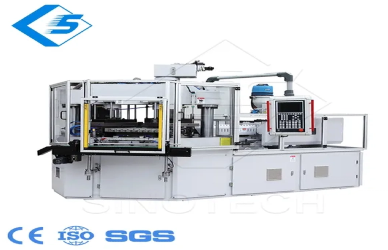
Main Steps in the Blow Molding Process
The blow molding process is a key manufacturing technique for producing hollow plastic products like bottles, containers, and more. The process involves five primary steps: material preparation, melting and extrusion, mold formation, blowing, and cooling & ejection. Here’s a breakdown of each step:
Step 1: Material Preparation
The first step in the blow molding process is selecting the appropriate plastic material. The most commonly used materials in blow molding include:
Polyethylene (PE): Known for its flexibility and chemical resistance, PE is widely used in blow molding for products like bottles and containers.
Polypropylene (PP): PP is durable, lightweight, and resistant to chemicals, making it ideal for food containers, automotive parts, and more.
Polyethylene Terephthalate (PET): PET is widely used in beverage and food packaging due to its strength, transparency, and ability to withstand high temperatures.
The selected plastic material is prepared in pellet form, ready to be melted and processed.
Step 2: Melting & Extrusion
Once the plastic material is prepared, the next step involves melting and extrusion. Plastic pellets are fed into an extruder, where they are heated to their melting point. The melted plastic is then extruded through a die to form a hollow tube known as a parison. The parison is the basis for the final product and is carefully controlled to ensure uniform thickness throughout the tube.
Melting: Plastic pellets are heated to a specific temperature, allowing them to melt into a viscous form suitable for molding.
Extrusion: The melted plastic is pushed through a die to create the parison, which will later be expanded to form the final product.
Step 3: Mold Formation
The molten parison is then transferred to a mold. This is where the mold formation step occurs. The parison is placed into a mold cavity, and the mold is closed around the parison. At this stage, the mold determines the outer shape and design of the product.
The mold may be cooled and may consist of two halves that clamp together to form the desired shape.
If the process involves injection blow molding, a preform is created first, and then the preform is inflated inside the mold to form the final shape.
Step 4: Blowing
Once the parison is in the mold, the blowing step begins. Air or gas is injected into the parison through a blow pin, inflating the plastic and expanding it to conform to the mold’s walls. This step is essential for achieving the hollow shape of the product, such as bottles or containers.
Blowing air: The parison is inflated under controlled pressure to take on the desired shape and thickness. The air pressure also ensures that the plastic reaches all areas of the mold cavity.
The thickness of the plastic is determined by controlling the inflation rate and air pressure.
Step 5: Cooling & Ejection
After the blowing step, the plastic part needs to be cooled to solidify and retain its shape. This is where cooling comes into play. The mold typically contains cooling channels through which cold water or air circulates, rapidly cooling the molded plastic.
Once cooled, the molded part is ejected from the mold, typically using an ejection system that pushes the plastic product out.
The product may then undergo additional post-processing, such as trimming, inspection, and packaging, depending on the final product requirements.
Advantages of Blow Molding Process
Blow molding is an efficient and cost-effective process for producing hollow plastic products. While it offers significant benefits, it also presents challenges.
1. High Efficiency
Blow molding is ideal for mass production, with fast cycle times and automated systems that increase production rates and reduce downtime.
2. Large-Scale Production
It is perfect for high-volume runs, enabling the production of thousands or millions of identical items quickly, ensuring consistency.
3. Low Cost
Blow molding reduces per-unit costs, especially for large volumes, making it an affordable solution for manufacturers. The use of recycled material further lowers costs.
Frequently Asked Questions (FAQ):
1.What is blow molding?
Blow molding is a manufacturing process that uses heat and air pressure to form hollow plastic products like bottles and containers.
2.What is the difference between blow molding and injection molding?
Blow molding is used for making hollow items (like bottles), while injection molding is used for solid items (like toys or automotive parts).
3.What materials are used in blow molding?
Common materials include polyethylene (PE), polypropylene (PP), and polyethylene terephthalate (PET).
4.How efficient is the blow molding process in terms of production?
Blow molding is highly efficient and ideal for mass production of plastic products, allowing for the rapid manufacture of large quantities of identical items.
Conclusion
Blow molding is a highly efficient manufacturing process used to produce hollow plastic products such as bottles, containers, and automotive parts. The process involves melting plastic and inflating it inside a mold using air pressure, creating a wide range of products with uniform wall thickness and complex shapes. Key advantages of blow molding include high production efficiency, cost-effectiveness for large-scale manufacturing, and the ability to produce large quantities of identical items quickly. However, challenges such as precision control, material waste (e.g., flash formation), and the need for regular equipment maintenance must be carefully managed to ensure consistent product quality and optimize production costs. Blow molding remains a popular choice in industries like packaging, consumer goods, and automotive, thanks to its flexibility and scalability.


