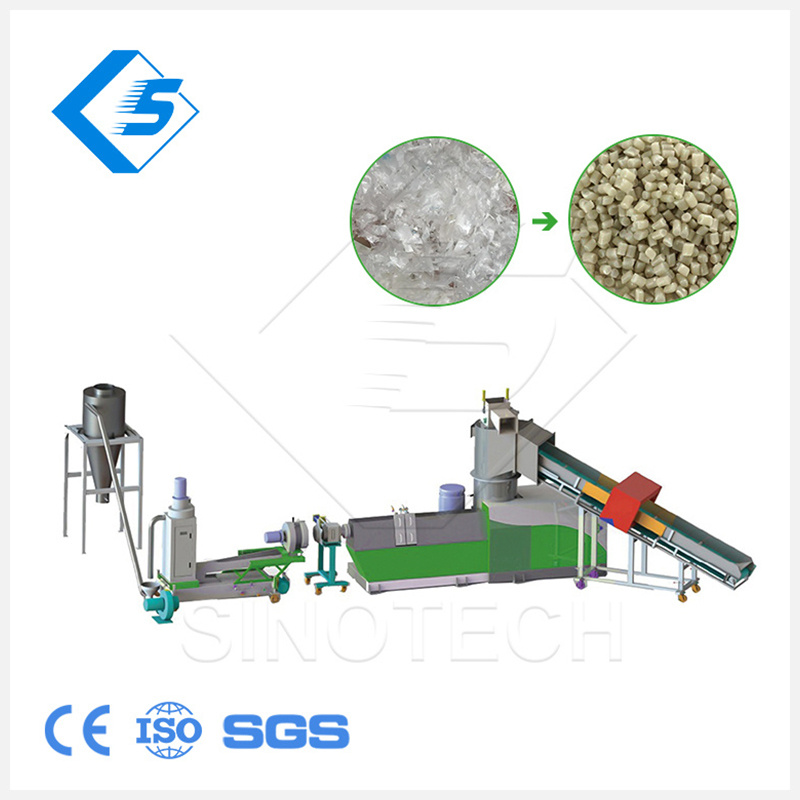
Starting a plastic recycling facility operates primarily as a capital-intensive manufacturing business, not simply an environmental initiative. While green benefits capture headlines, transforming waste into revenue requires rigorous industrial planning. Your success entirely depends on securing consistent feedstock and selecting the right processing equipment. You must produce high-purity output. Downstream buyers, including pelletizers and fiber manufacturers, demand pristine materials and quickly reject contaminated batches. Low-quality flakes immediately kill your profit margins and stall your entire operation. This guide breaks down the financial models, operational risks, and precise equipment configurations required to transition from a raw business concept to a fully operational facility. We will guide you through the exact steps you need to launch your plant, manage compliance, and secure your market position.
Key Takeaways
Value Chain Positioning: Processing baled bottles into washed PET flakes increases profit margins compared to basic collection and sorting.
Yield Reality: Expect an input-to-output loss ratio of roughly 1.2:1 due to moisture, labels, caps, and contamination.
Core Infrastructure: A reliable PET Bottle Recycling Line requires more than a shredder; metal detection, friction washing, and drying are non-negotiable for commercial-grade flakes.
Hidden CapEx: Wastewater treatment and logistics (transport plans, collection bins) often consume a larger percentage of startup capital than anticipated.
Defining Your Position in the PET Value Chain
Before buying equipment, you must understand where you fit in the market. The recycling industry features a distinct hierarchy. Moving up this hierarchy increases your profit potential but also requires heavier investments.
The Profit Margin Spread
The economic driver behind plastic recycling is straightforward. A distinct price gap exists between virgin PET resin and Recycled PET (RPET) flakes. Virgin plastics fluctuate based on global oil prices. Manufacturers constantly seek cheaper, sustainable alternatives. RPET flakes fill this demand perfectly. You generate profit by capturing the spread between raw waste costs and clean flake market prices. Tight cost control maximizes this margin.
Business Model Tiers
You can enter the industry at three primary levels. Each tier presents different challenges and rewards.
Business Tier | Operations Focus | Barrier to Entry | Profit Margin |
Tier 1: Collection & Baling | Gathering loose bottles and compressing them into dense bales. Operators sell these bales directly to larger processors. | Very Low | Lowest |
Tier 2: Shredding & Flake Production | Processing baled bottles into unwashed or cold-washed flakes. This represents the sweet spot for new market entrants. | Medium | Moderate |
Tier 3: Hot-Washed Flakes & Pelletizing | Producing food-grade or near-food-grade RPET. Facilities utilize intensive washing and melting processes. | Very High | Highest |
Tier 2 represents the most viable starting point. You avoid the extreme costs of food-grade pelletizing while earning much higher margins than simple collectors. You essentially buy cheap bales and sell valuable industrial raw materials.
Market Demand
You must know your buyers before you produce a single flake. Several industries heavily rely on RPET. Textile manufacturers purchase vast quantities to spin into polyester fibers for clothing and carpets. Thermoformable sheet producers melt flakes to create clear clamshell packaging. Additionally, 3D printing filament brands increasingly use high-purity RPET to appeal to eco-conscious consumers. Identify local buyers early to secure steady revenue streams.
Evaluating and Configuring Your PET Bottle Recycling Line
Equipment dictates your product quality. You cannot compromise on your core machinery. Processors often fail because they purchase inadequate setups and produce heavily contaminated flakes. Buyers reject these subpar batches instantly.
Minimum Viable Setup (MVP) vs. Full Commercial Line
You can configure your facility in two distinct ways. Your choice depends heavily on your available capital and your target buyers.
Component Category | MVP Configuration | Full Commercial Configuration |
Target Output | Sub-500 kg/h | 1000+ kg/h |
Preparation | Belt conveyor (magnetic separator) | Trommel separator, mechanical label remover |
Size Reduction | Standard plastic crusher/shredder | Heavy-duty wet crusher |
Washing System | None or basic cold rinse | Hot washer, high-speed friction washer, sink-float tank |
Drying & Collection | Blower and collection silo | Centrifugal dryer, thermal pipe dryer, zig-zag classifier |
The MVP configuration suits low-volume operators. It targets local, lower-tier buyers who accept unwashed flakes. However, serious operations require a much more robust setup. A full commercial PET Bottle Recycling Line guarantees high purity. You need a hot washer to melt stubborn glues. You must use a sink-float tank to separate heavy PET from lighter PP/PE bottle caps. A centrifugal dryer aggressively removes moisture before bagging.
Evaluating Equipment KPIs
Do not buy equipment based solely on marketing brochures. You must evaluate strict Key Performance Indicators (KPIs).
Throughput vs. Yield: Raw material contains heavy contamination. Dirt, moisture, labels, and caps add false weight. A line rated for 1000 kg/h output requires roughly 1200 kg/h of raw post-consumer bottle feedstock. Plan your purchasing accordingly.
Energy Efficiency vs. Upfront Cost: Cheap machines consume massive amounts of power. High electricity bills destroy your margins during slow months. Investing in high-efficiency motors reduces long-term operational expenses dramatically.
Wear Parts: Crushing dense plastic destroys metal blades. Assess the replacement frequency of crusher blades and internal screens. Ask manufacturers about blade sharpening procedures. Frequent downtime for blade swaps hurts your daily yield.
Common Mistake: Ignoring the label removal stage. Labels create massive contamination in the final flake. Always integrate a mechanical label remover before the crushing stage.
Financial Modeling: Calculating CapEx and OpEx
Financial survival demands strict budgeting. Many entrepreneurs calculate the price of machines but ignore the massive hidden costs of facility prep and daily operations.
Capital Expenditures (CapEx)
Your startup capital goes far beyond just buying machinery. You must fund a complete industrial ecosystem.
Machinery Acquisition: Purchasing a complete Plastic Recycling Line involves base costs, international shipping, customs duties, and professional installation.
Facility Retrofitting: Standard warehouses cannot handle heavy recycling machinery. You must pour reinforced concrete flooring to absorb extreme vibration. You will need high-voltage power drops and industrial-capacity water lines.
Material Handling: You cannot move multi-ton bales by hand. You must purchase forklifts and skid steers. You also need collection infrastructure like dumpsters, sorting bins, and potentially a small trucking fleet.
Operating Expenses (OpEx)
Daily running costs determine your monthly break-even point. Keep these numbers as low as possible.
Utility Consumption: Industrial shredders draw massive electrical loads. Hot washers and friction washers consume thousands of gallons of water daily.
Labor Requirements: You cannot automate everything. You need a skilled plant manager and trained equipment operators. You also need manual sorters to pull out obvious contaminants before crushing. Maintenance technicians keep the line running.
Overhead: You must pay monthly facility leases. Do not forget local zoning taxes and annual environmental permit fees.
Funding Mechanisms
Securing capital does not rely solely on bank loans. The recycling sector enjoys significant public support. Investigate government environmental grants designed to boost local circular economies. Many municipalities offer waste diversion subsidies. They pay you a small premium for every ton of plastic you keep out of their landfills. Furthermore, explore low-interest sustainability loans offered by green-focused investment funds.
Overcoming Implementation Risks and Compliance Hurdles
Regulatory agencies can shut down your facility overnight. You must navigate zoning laws, environmental rules, and volatile supply chains meticulously.
Zoning and Facility Siting
You cannot operate a noisy, wet recycling plant in a commercial retail zone. You strictly need heavy industrial zoning. Noise complaints from neighbors will trigger endless municipal inspections. Choose a location strategically. Proximity to your raw material source minimizes inbound freight costs. Locating near urban centers or major waste transfer stations keeps your transport budget low. Long haul trucking for empty plastic bottles quickly drains your bank account.
Environmental Compliance
Environmental regulators watch recycling plants closely. Wastewater management represents your highest regulatory risk. Hot washing and friction washing generate highly toxic water filled with glues, microplastics, and dirt.
You cannot dump this untreated water into municipal sewers. You must install closed-loop water filtration systems. These systems capture dirty water, filter out contaminants, and recycle the clean water back into your washing line. This closed-loop approach meets municipal discharge standards and drastically lowers your monthly water bill. Failure to manage wastewater results in crippling fines.
Feedstock Supply Chain
A multi-million dollar facility becomes useless without plastic bottles. The risk of raw material shortages constantly threatens operators. Spot market purchasing is dangerous and unpredictable.
You must write long-term contracts to guarantee your supply. Partner with municipal Materials Recovery Facilities (MRFs). They sort household recycling and generate massive PET bales. You can also establish networks with independent scavengers and private waste collectors. Diversify your inbound supply. Never rely on a single vendor for your feedstock.
Step-by-Step Launch Framework
Launching your plant requires a disciplined, sequential approach. Do not rush equipment orders before securing your legal foundation. Follow this specific execution framework.
Phase 1: Legal & Administrative
Start with paperwork. Register your corporate entity properly. Secure your Federal Tax ID (EIN) immediately. Next, engage local authorities. You must obtain specific environmental permits and solid waste-handling licenses. Hire an environmental consultant to navigate complex local wastewater regulations. Secure all approvals before signing a facility lease.
Phase 2: Logistics & Transport Plan
Design your inbound network carefully. Determine exactly how waste reaches your door. Write a comprehensive transport plan. Decide who owns the collection bins at the source. Clarify who manages the trucking fleet. If you rely on third-party logistics, negotiate bulk freight rates early. Logistics failures cause immediate feedstock bottlenecks.
Phase 3: Facility Setup
Secure your industrial real estate. Prioritize buildings with existing high-voltage infrastructure. Begin your necessary utility upgrades. Pour concrete machine pads. Install proper floor drains for your washing lines. Set up distinct zones for raw bale storage, active processing, and finished flake warehousing. Keep raw waste completely separated from clean flakes to prevent cross-contamination.
Phase 4: Procurement & Testing
Execute your equipment orders. Once installed, do not rush into full production. Conduct extensive dry runs using small batches of clean bottles. Optimize your shredder screen sizes to achieve the perfect flake dimension. Train your entire staff on mandatory safety protocols. Implement strict lockout/tagout procedures to prevent severe injuries during machine jams.
Phase 5: Off-take Agreements
Do not stockpile finished flakes hoping for buyers to appear. Secure letters of intent (LOIs) from downstream buyers before your first official production run. Send them sample flakes from your testing phase. Once they approve your purity levels, lock them into recurring purchase contracts. Guaranteed buyers stabilize your early cash flow.
Best Practice: Always keep one month of operating cash in reserve. Equipment breakdowns during the first three months are common. You need a financial buffer while dialing in your machinery.
Conclusion
Transitioning from a business concept to an operational plastic recycling facility demands intense preparation. You must move past the environmental idealism and treat this as a strict manufacturing enterprise. Your ultimate success relies heavily on rigorous supply chain management, precise equipment selection, and strict cost control. You need reliable machines, consistent feedstock, and committed buyers.
Take action today. Begin by auditing your local feedstock availability. Contact nearby waste management facilities to check bale prices. Simultaneously, secure detailed quotes for a modular recycling line to understand your exact capital requirements. Thorough research today prevents catastrophic financial losses tomorrow.
FAQ
Q: How much space is needed for a commercial PET recycling plant?
A: A standard 1000 kg/h commercial plant requires roughly 10,000 to 15,000 square feet. You need dedicated space for the machinery footprint, ample room for storing raw incoming bales, and a clean, dry zone for your finished flake inventory.
Q: What is the difference between cold-washed and hot-washed PET flakes?
A: Cold-washed flakes undergo a basic water rinse, leaving behind stubborn glues and oils. They sell for lower prices. Hot-washed flakes use heated water and chemical detergents. This rigorous process produces highly pure materials suitable for premium fiber or packaging markets.
Q: How do I handle the bottle caps and labels?
A: Modern processing lines handle this automatically. Mechanical label removers scrape off wrappers before crushing. Later, a sink-float tank separates the materials. Heavy PET sinks to the bottom, while lighter PP/PE caps float to the top for easy removal.
Q: Is wastewater treatment mandatory for a plastic recycling line?
A: Yes, it is absolutely mandatory. Industrial washing generates toxic effluent containing microplastics, chemical residues, and heavy dirt. Municipalities strictly forbid discharging this untreated. You must install a closed-loop filtration system to clean and reuse your processing water.


