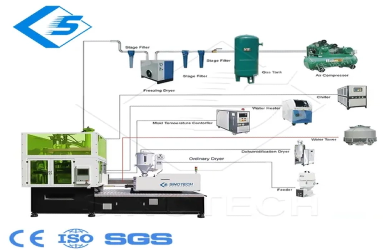
Blow molding is a widely used manufacturing process for producing hollow plastic products, such as bottles, containers, and automotive parts, in high volumes. The process involves melting plastic material and inflating it inside a mold using air pressure, which allows manufacturers to create products with consistent shapes and wall thicknesses. Understanding the production capabilities of blow molding machines, including how many bottles or parts they can produce per hour, is essential for optimizing manufacturing efficiency and meeting production goals. Several factors, such as machine type, product size, material, and cycle time, influence the output rate, making it important for manufacturers to assess these variables to maximize productivity.
Factors Affecting Production Speed in Blow Molding Machines
The production speed of blow molding machines can vary significantly based on several factors. Understanding these factors is essential for optimizing manufacturing processes and maximizing output. Here are the key factors that influence production speed:
1. Machine Type
Different types of blow molding machines have varying speeds due to their design and purpose:
Extrusion Blow Molding: This is typically the fastest type of blow molding, capable of producing a large volume of products per hour, especially for simple, hollow items like bottles and containers.
Injection Blow Molding: While slower than extrusion blow molding, injection blow molding offers higher precision and is used for small, detailed products, such as medical bottles or small consumer goods. The production speed tends to be lower, around 300–500 bottles per hour.
Stretch Blow Molding: Stretch blow molding, often used for creating PET bottles, can produce 600–1,200 bottles per hour, depending on the product size and complexity. It generally offers a faster cycle time than injection blow molding, especially for clear and durable products.
2. Product Size and Complexity
The size and complexity of the product being molded directly impact production speed:
Larger Products: Bigger products, such as large containers or industrial parts, often require longer cycle times because they take more time to heat, mold, and cool.
Complex Shapes: Products with intricate designs or varying wall thicknesses may take longer to produce. These products require more precision during the molding process, which can slow down the overall production rate.
3. Material Type
The type of material used in the blow molding process can also affect the production speed:
PET (Polyethylene Terephthalate): Materials like PET, commonly used for bottles, often require longer cooling times because they must be stretched to ensure strength and clarity. This results in longer cycle times.
PE (Polyethylene) and PP (Polypropylene): These materials tend to cool faster, which can lead to shorter cycle times compared to PET, allowing for faster production rates.
Other Materials: Different plastics may require unique heating, molding, and cooling times, which impact overall cycle time and production speed.
4. Cycle Time
Cycle time is the average time required to complete one molding cycle, including heating, forming, inflating, cooling, and ejection:
Shorter Cycle Times: Machines with short cycle times can produce more products per hour, increasing overall efficiency and output.
Longer Cycle Times: Larger, more complex products or materials with longer cooling times can result in longer cycle times, reducing the number of products produced in an hour.
Average Production Rates for Blow Molding Machines
The production rate of a blow molding machine depends on several factors, including the type of machine, product size, complexity, and material used. Below are the average production rates for different types of blow molding machines:
1. Extrusion Blow Molding
Production Rate: Typically produces 800–1,000 bottles per hour, depending on the size and complexity of the product. This method is fast and efficient, making it ideal for large-scale production of simple products like containers, bottles, and industrial parts.
2. Injection Blow Molding
Production Rate: Generally produces 300–500 small, precise bottles per hour. This process is ideal for creating small, high-precision items like medical bottles, cosmetic containers, and small consumer goods. The slower production speed is due to the higher accuracy and uniformity required in the molding process.
3. Stretch Blow Molding
Production Rate: Can produce 600–1,200 bottles per hour, particularly for PET bottles. Stretch blow molding is commonly used for beverage packaging, offering high clarity, strength, and consistency. The production speed can vary depending on the product's size, material, and design.
4. Injection Stretch Blow Molding
Production Rate: Can range from 400 to 800 bottles per hour, depending on the product’s strength requirements. This process combines injection molding with stretching to create high-strength, biaxially oriented products, ideal for durable and clear containers such as beverage bottles and specialty packaging.
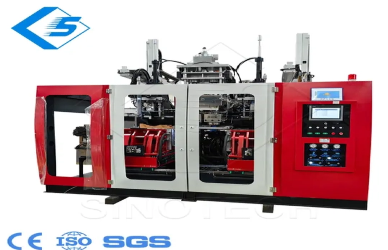
Optimizing Production Efficiency in Blow Molding Machines
Optimizing production efficiency in blow molding operations is crucial for maximizing output, reducing costs, and maintaining product quality. Several key strategies can help improve the performance of blow molding machines and achieve higher production rates.
1. Maintenance
Regular maintenance is essential to keep blow molding machines running at peak efficiency. Proper maintenance reduces the risk of mechanical failure, prevents unexpected downtime, and ensures the machine operates smoothly. Key maintenance tasks include:
Inspecting and cleaning components: Regularly check and clean components like the extruder, molds, and blow pins to prevent clogging and material buildup.
Lubricating moving parts: Ensure that parts like the clamping unit and ejection system are properly lubricated to prevent wear and ensure smooth operation.
Monitoring and calibrating systems: Keep track of machine settings, temperature controls, and cooling systems to ensure they are functioning within optimal ranges.
By maintaining the machine and its components, production efficiency improves, and the likelihood of breakdowns decreases, which in turn boosts overall productivity.
2. Automation
Implementing automation in the blow molding process can significantly enhance production efficiency. Automated systems streamline the entire production line, reducing manual labor and increasing consistency. Automation can help with:
Faster cycle times: Automated systems can speed up processes like material feeding, part ejection, and mold opening/closing, reducing cycle times and increasing throughput.
Quality control: Automation ensures more precise control over the molding process, reducing variability and improving the quality of the final product.
Reduced labor costs: Automated processes reduce the need for manual intervention, allowing operators to focus on monitoring and troubleshooting, which can lead to cost savings in the long run.
By integrating automated systems into the production process, manufacturers can achieve higher production rates while maintaining consistent quality.
3. Material Flow Control
Ensuring a consistent and efficient material flow is crucial for optimizing cycle times in blow molding machines. Inconsistent material flow can lead to irregular product quality, longer cycle times, and increased waste. Key steps to optimize material flow include:
Proper material handling: Ensure the plastic pellets or resin are properly stored, measured, and fed into the extruder or injection unit to avoid blockages and inconsistencies in material supply.
Controlling extrusion rates: Maintaining a consistent extrusion rate helps ensure the parison or preform has uniform thickness, leading to fewer defects and reduced cycle time.
Optimizing cooling time: Proper cooling system management ensures that the material solidifies quickly and uniformly, minimizing cycle time without compromising product quality.
By maintaining a consistent material flow, manufacturers can reduce delays, improve the speed of the molding process, and increase overall efficiency.
Frequently Asked Questions (FAQ) about Blow Molding Machines
1.What is the average cycle time for blow molding machines?
The cycle time for blow molding machines typically ranges from 5 to 30 seconds, depending on the product size, complexity, and the type of machine being used. For simpler, smaller products, the cycle time tends to be shorter, while larger or more complex items may require longer cycles to ensure proper molding and cooling.
2.Does the type of plastic material affect production speed?
Yes, the type of plastic material used can significantly influence production speed. For instance, materials like PET (Polyethylene Terephthalate) tend to have longer cooling and molding times due to their stretching requirements for strength and clarity, resulting in slower production speeds. On the other hand, PE (Polyethylene) and PP (Polypropylene) tend to have quicker cooling times, enabling faster cycle times and higher production rates.
3.Can blow molding machines be upgraded for higher output?
Yes, blow molding machines can be upgraded to increase their output. Upgrades can include enhancing components such as extruders for better material flow, installing automated systems to reduce manual labor and increase consistency, and improving molds to reduce cycle times and improve product quality. These enhancements allow manufacturers to achieve higher production rates and better efficiency.
4.How does automation improve blow molding production?
Automation plays a significant role in improving blow molding production by streamlining various aspects of the process. It reduces the need for manual intervention, leading to fewer errors and greater consistency in product quality. Automation enables faster cycle times, which directly increases production rates, and ensures that tasks like material feeding, molding, and ejection are executed more efficiently, resulting in higher throughput and reduced costs.
 Conclusion
To wrap up, blow molding machines are key to efficient plastic product manufacturing, offering versatility in producing everything from bottles to industrial parts. Optimizing production speed involves a variety of factors, including the choice of machine, material, and cycle time. With the right upgrades, such as improved extruders, molds, and automation systems, manufacturers can significantly increase output while maintaining product quality. Regular maintenance and efficient material flow also play crucial roles in ensuring smooth operations and minimizing downtime. By focusing on these aspects, manufacturers can boost production efficiency, reduce costs, and consistently deliver high-quality products to meet market demands.


