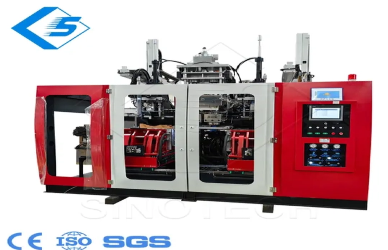
Blow molding is a highly versatile manufacturing process used to produce a wide range of hollow plastic products, from small bottles to large industrial containers. The process involves inflating a molten plastic tube (parison) inside a mold to create the desired shape. One of the key advantages of blow molding is its ability to handle various product sizes and volumes, making it ideal for industries such as packaging, automotive, and consumer goods. Choosing the right blow molding machine is crucial, as it must align with the product's size, material, and production volume requirements. The appropriate machine ensures efficient production, consistent quality, and cost-effectiveness, whether you're producing small, high-precision items or large, high-volume products.
Small-Scale Products in Blow Molding
Blow molding is particularly effective for producing small-scale products that require high precision and attention to detail. These products are often used in industries like pharmaceuticals, cosmetics, and consumer goods.
1.Typical Products
Small Bottles: Commonly used for beverages, personal care products, and pharmaceuticals.
Medical Containers: Includes items like small vials, droppers, and medical device housings.
Cosmetic Packaging: Small containers for creams, lotions, and cosmetics.
2.Machine Capabilities
Machines used for small-scale products are designed to handle high precision and smaller mold sizes. These machines are typically optimized for smaller runs, offering flexibility in design and the ability to produce detailed products. The smaller molds also allow for faster changeovers between production runs.
3.Advantages
Faster Cycle Times: Blow molding machines designed for small-scale production can achieve shorter cycle times, improving efficiency and output.
High Accuracy: These machines offer precise control over molding parameters, ensuring uniformity and high-quality products, particularly important for small or intricate items like medical containers or cosmetic packaging.
Cost-Effective for Low-Volume Runs: Smaller machines are ideal for industries with lower production volumes, allowing manufacturers to meet specific demands without large upfront costs.
Medium-Sized Products in Blow Molding
Blow molding is highly effective for producing medium-sized products that require a balance of complexity, volume, and precision. These products are commonly used across various industries, including food and beverage packaging, household goods, and light industrial applications.
1.Typical Products
Beverage Bottles: Commonly used for soft drinks, juices, and bottled water.
Household Containers: Includes items like cleaning product bottles, storage containers, and kitchenware.
Small Industrial Components: Parts used in automotive or manufacturing that need to be lightweight but durable, such as fuel tanks or industrial housings.
2.Machine Capabilities
Machines designed for medium-sized products can handle larger molds and accommodate moderate complexity in design. These machines are typically equipped to produce products in higher volumes than those designed for small-scale production. They can work with a variety of materials, such as PET for beverage bottles or HDPE for household containers, and handle molds that require more intricate shapes while still maintaining efficient cycle times.
3.Advantages
Flexibility for Medium to Large Runs: These machines are ideal for medium-to-large production volumes, offering a balance between high efficiency and the ability to handle detailed designs.
Consistent Product Quality: Blow molding machines for medium-sized products ensure consistent wall thickness, accurate mold filling, and high-quality finishes, even with larger runs.
Cost-Effective for Mid-Volume Production: These machines provide an economical solution for manufacturers who need to produce a higher quantity of products while maintaining uniformity and quality.
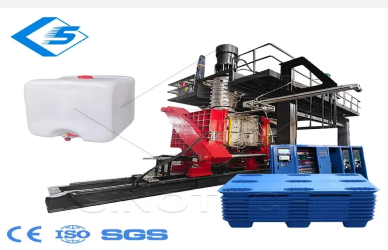
Large-Scale Products in Blow Molding
Blow molding is highly effective for manufacturing large-scale products that require high-volume production, such as industrial containers, automotive parts, and large packaging. These products are typically less complex in design but require large molds to accommodate their size.
1.Typical Products
Industrial Containers: Large tanks, drums, and barrels used for storing chemicals, liquids, and bulk materials.
Automotive Parts: Large components such as bumpers, fuel tanks, and other durable plastic parts used in vehicles.
Large Packaging: Large plastic packaging used for bulk products, such as storage bins, crates, and containers.
2.Machine Capabilities
Machines designed for large-scale products are typically larger blow molding machines that can handle high-volume production. These machines are built to manage big molds and produce larger, less intricate products efficiently. They typically use materials like polyethylene (PE) or polypropylene (PP) for their durability and suitability in industrial applications. These machines are optimized to run continuously, allowing for high throughput with minimal downtime.
3.Advantages
High Production Rates: Large blow molding machines are designed to produce high quantities of products quickly, making them ideal for mass production.
Cost-Efficiency for Large-Scale Manufacturing: These machines help manufacturers reduce the per-unit cost of large products by enabling economies of scale. The high production rates and minimal labor required for large runs make them highly cost-effective.
Less Complexity in Design: Large-scale products often have simpler designs, which allows the machines to run more efficiently with fewer setup changes and lower production costs.
Material and Volume Considerations in Blow Molding
Blow molding machines are highly versatile and can process a wide range of materials, making them suitable for a variety of products. Understanding material compatibility and volume capabilities is essential for choosing the right machine and optimizing production efficiency.
1.Material Compatibility
Blow molding machines are designed to handle different types of plastic materials, each suited for specific applications:
PET (Polyethylene Terephthalate): Commonly used for beverage bottles, PET is known for its clarity, strength, and ability to withstand pressure. Blow molding machines capable of processing PET can produce high-quality, transparent products.
PE (Polyethylene): PE is widely used in blow molding for products such as bottles, containers, and toys due to its flexibility, durability, and resistance to chemicals. It is suitable for both extrusion and injection blow molding machines.
PP (Polypropylene): PP is used for packaging and automotive components. It is lightweight, resistant to heat, and easy to mold. Machines designed to process PP are essential for producing items like food containers and automotive parts.
PVC (Polyvinyl Chloride): PVC is used for products such as pipes, flooring, and medical devices. Blow molding machines can handle both rigid and flexible PVC, making it a versatile material for different applications.
Blow molding machines are equipped with specialized features, such as heating elements and screw mechanisms, to accommodate different materials and their unique processing needs. The right machine ensures optimal performance, quality, and consistency for the desired product.
2.Volume Capabilities
Blow molding machines vary in their ability to handle different production volumes, from low-volume specialized parts to high-volume mass production:
Low-Volume Production: Some blow molding machines are optimized for small-scale runs, allowing manufacturers to produce specialized or custom products with intricate designs or limited quantities. These machines are ideal for industries like medical, aerospace, or niche consumer goods where only small batches are needed.
High-Volume Production: Larger blow molding machines are designed for high-volume mass production. These machines run continuously to produce thousands of identical products per hour, making them ideal for industries like beverage packaging, household goods, and automotive parts. They are highly efficient, capable of producing large quantities quickly, and are essential for cost-effective, large-scale manufacturing.
Frequently Asked Questions (FAQ) about Blow Molding Machines
1.What types of products are best suited for small blow molding machines?
Small blow molding machines are ideal for producing small bottles, medical containers, and cosmetic packaging. These machines are designed for high precision and are perfect for products that require detailed designs and small volumes. They are ideal for industries where small runs and high-quality, precise products are needed.
2.Can blow molding machines handle both small and large products?
Yes, blow molding machines are versatile and can be adapted to handle a range of product sizes, from small containers to large industrial parts. Different mold configurations and machine sizes allow them to accommodate varying sizes and complexities, making them flexible for different production needs. The machines can be adjusted to meet specific product requirements.
3.How does the material affect the product size a blow molding machine can handle?
The type of material used plays a significant role in determining the size and complexity of the products a blow molding machine can handle. For instance, PET requires machines capable of precise control for small, high-precision products, while materials like PE and PP are better suited for larger, less complex products with greater volume. Material properties like flexibility and cooling rate impact machine choice.
4.Are there blow molding machines for both low and high-volume production?
Yes, blow molding machines are available in different configurations to support both low-volume, high-precision production and high-volume mass production. Machines can be customized to meet the specific requirements of product size, complexity, and production scale. Whether it's a specialized, small batch or a large-scale run, there’s a blow molding machine to fit the need, ensuring efficiency at any production level.
Conclusion
Blow molding machines offer incredible versatility, capable of handling a wide range of products from small, precise containers to large, industrial parts. Whether producing small bottles, medical containers, or large industrial packaging, the right machine ensures efficiency and quality, tailored to the specific needs of the product. The choice of material significantly impacts the machine's capabilities, with materials like PET, PE, and PP dictating the size and complexity of the product. Additionally, blow molding machines can be optimized for both low-volume specialized runs and high-volume mass production, making them adaptable to various production scales. By selecting the proper machine and configuration, manufacturers can achieve consistent, high-quality products at the required production rate, all while optimizing efficiency and reducing costs.


