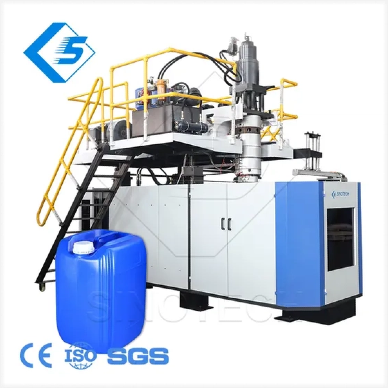
In the world of plastic manufacturing, choosing the right blow molding machine is a critical decision that directly impacts the efficiency, quality, and cost-effectiveness of your production. Blow molding is the process used to create hollow plastic parts and products, including bottles, containers, and other shapes. This process is not only widely used in packaging but also in automotive, medical, and consumer goods industries.
With a variety of blow molding machines available, understanding how to choose the best one for your needs is essential. Factors such as production volume, material type, complexity of the product, and automation needs all play a role in determining which machine is best suited for your operation. In this article, we will explore the key considerations and features that will guide you in choosing the right blow molding machine for your production needs.
What is Blow Molding?
Before we dive into how to choose the right blow molding machine, let’s first understand the blow molding process. Blow molding is a manufacturing process used to create hollow plastic parts. It involves heating a plastic tube, known as a parison, and then inflating it within a mold using air pressure to shape the material into the desired form.
There are three primary types of blow molding processes:
Extrusion Blow Molding (EBM): In this process, a tube of molten plastic is extruded into a mold, and air is used to inflate it. It is commonly used for producing bottles and containers.
Injection Blow Molding (IBM): This process involves injecting molten plastic into a mold to form a parison, which is then inflated to form the final shape. This is often used for small bottles with high precision requirements.
Stretch Blow Molding (SBM): In this process, the parison is stretched before being inflated, which provides additional strength to the final product. It is often used for producing bottles, especially for beverages, with higher strength and clarity.
Factors to Consider When Choosing a Blow Molding Machine
Selecting the right blow molding machine involves several key factors. These include the type of product you are producing, the materials you are working with, your production capacity, and the level of automation you need. Let’s go through these factors in detail.
1. Type of Product and Production Volume
The type of product you are manufacturing plays a significant role in choosing the right blow molding machine. Products like bottles, containers, and jars are the most common end products made from blow molding. However, some products may have more complex designs, requiring advanced machines or special molding techniques.
Small Volume Production: If your production volume is relatively low or involves a variety of small-sized products, you may opt for a smaller, less expensive blow molding machine with manual or semi-automatic controls.
Large Volume Production: For high-volume production with consistent quality, a fully automated blow molding machine will be a better choice. These machines are capable of producing a large number of parts per hour, maintaining high levels of efficiency while reducing the need for manual labor.
2. Material Compatibility
Blow molding machines can process a wide range of plastic materials. The type of material you use will influence your machine choice. Common materials include:
Polyethylene (PE): Widely used in packaging applications such as bottles and containers.
Polypropylene (PP): Known for its toughness and resistance to chemicals, often used in industrial packaging.
Polyethylene Terephthalate (PET): Commonly used for beverage bottles and is known for its clarity and strength.
Polyvinyl Chloride (PVC): Used in applications requiring flexibility and durability.
Recycled Plastics (rPET): As sustainability becomes a bigger concern, many manufacturers are using recycled PET for their products.
Different materials have different processing characteristics, such as viscosity, melting points, and cooling times. Therefore, it is important to choose a blow molding machine that is compatible with the specific materials you intend to use. Some machines are designed to handle multiple types of plastic, offering greater versatility, while others may be optimized for a specific material, providing higher performance and quality.
3. Product Complexity and Mold Design
The complexity of the product you are creating will also impact your machine choice. If your products require intricate designs or multi-layered containers, you will need a blow molding machine capable of accommodating these requirements. Complex mold designs may require additional customization or tooling capabilities.
Some considerations include:
Mold Size and Shape: Larger molds or more complex shapes may require a machine with a larger mold area or a machine capable of handling multi-cavity molds.
Multi-layered Containers: If you need multi-layered containers for enhanced protection (e.g., for food and beverage packaging), you’ll need a machine that can handle multi-layer blow molding, a technique that involves placing layers of different materials inside the container.
4. Level of Automation
Blow molding machines come with varying levels of automation, which impacts efficiency, labor costs, and precision. Understanding your production needs will help you determine the right level of automation for your operations.
Manual Machines: These machines require manual intervention for tasks like loading the parison, controlling the mold, and handling the final product. Manual machines are generally more affordable and suitable for low-volume or prototype production.
Semi-Automatic Machines: These machines still require some operator involvement, but many of the processes are automated, such as temperature control, air pressure adjustments, and mold closing. These are ideal for medium-volume production.
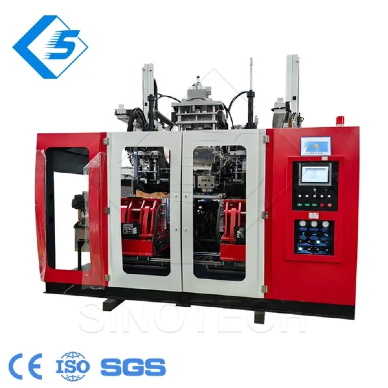
Fully Automatic Machines: For high-volume production, fully automatic blow molding machines are the best choice. These machines automate the entire process, including material handling, parison extrusion, inflation, cooling, and mold removal. Automation leads to faster production cycles, reduced labor costs, and more consistent quality.
5. Energy Efficiency
Energy consumption is an important consideration when choosing a blow molding machine. Machines that use less energy not only help reduce operational costs but also contribute to more sustainable production processes.
Electric Blow Molding Machines: These machines are more energy-efficient than traditional hydraulic machines. Electric systems provide precise control, minimize energy waste, and offer faster production cycles.
Hybrid Machines: Hybrid blow molding machines combine the benefits of electric and hydraulic systems. They are often more energy-efficient than fully hydraulic machines while still providing the necessary power for high-output production.
In addition to the energy efficiency of the machine itself, it’s also important to consider energy usage in relation to the material being processed and the complexity of the product.
6. Production Cycle Time
Production speed is another critical factor in choosing the right blow molding machine. A machine that offers faster cycle times is essential for high-volume production. Cycle time refers to the amount of time it takes to produce a single product. The faster the cycle time, the more products can be produced in a shorter time frame, improving the overall efficiency of the manufacturing process.
When selecting a blow molding machine, consider:
The required cycle time based on your production goals.
Multi-cavity molds that allow multiple products to be molded simultaneously, effectively reducing cycle times.
7. Maintenance and Support
Regular maintenance is necessary to keep blow molding machines running smoothly and efficiently. Choosing a machine with easy maintenance and strong customer support is important to reduce downtime and keep your production line running.
Key considerations for maintenance include:
Ease of Access: Machines that are designed with easy access to critical components (such as molds, cooling systems, and electronics) will reduce maintenance time.
Spare Parts Availability: Ensure that replacement parts are readily available for the machine you choose. Having access to reliable and fast customer support is also important for troubleshooting and repairs.
Types of Blow Molding Machines
There are three main types of blow molding machines, each suited for different types of production:
1. Extrusion Blow Molding Machines
Extrusion blow molding is the most common process used for manufacturing hollow plastic containers like bottles and jugs. In this process, a tube of molten plastic is extruded, inflated inside a mold, and cooled to form the desired shape. These machines are ideal for producing large, simple shapes and are widely used in the food and beverage industry.
Pros:
Ideal for medium to high-volume production.
Able to produce a variety of container shapes and sizes.
Lower investment costs compared to other types of blow molding.
Cons:
Limited to producing hollow objects with a single cavity.
2. Injection Blow Molding Machines
Injection blow molding machines are used for making small, high-precision products like bottles for pharmaceuticals and cosmetics. In this process, molten plastic is injected into a mold to create a parison, which is then inflated inside a mold. Injection blow molding produces high-quality, detailed products with tight tolerances.
Pros:
High precision and product consistency.
Ideal for small, detailed, and high-volume production runs.
Cons:
Higher initial cost compared to extrusion blow molding.
Best suited for smaller products.
3. Stretch Blow Molding Machines
Stretch blow molding is typically used for producing PET bottles for carbonated beverages. In this process, the parison is first stretched and then inflated to create a bottle with enhanced strength and clarity. Stretch blow molding is particularly popular for creating lightweight yet strong containers.
Pros:
Produces bottles with superior strength and clarity.
Ideal for carbonated beverage containers.
Cons:
Best suited for specific products, such as beverage bottles.
Conclusion
Choosing the right blow molding machine is crucial for enhancing production efficiency, cost-effectiveness, and product quality. Factors like product type, material compatibility, production volume, automation needs, and energy efficiency should be considered to ensure you select the machine that aligns with your business goals.
Blow molding technology has advanced significantly, with improvements in automation, energy efficiency, and material handling. Modern machines offer greater flexibility and performance, making them more efficient and capable of meeting diverse production requirements.
For businesses in need of high-quality blow molding machines, SINOTECH Machinery Co., Ltd. offers innovative solutions designed to meet the demands of modern manufacturing. Their machines are efficient, versatile, and built to support the growth of your production line. SINOTECH is committed to helping you achieve optimal results and take your manufacturing process to the next level.


