You are here: Home / BLOGS / EBM, PET, IBM and ISBM Blow Molding Machines: What Is the Difference?
EBM, PET, IBM and ISBM Blow Molding Machines: What Is the Difference?
Views: 0 Author: Site Editor Publish Time: 2026-06-08 Origin: Site
Introduction
Choosing between EBM, PET, IBM, and ISBM can be confusing because these terms are often compared as if they describe the same kind of machine. In practice, EBM, IBM, and ISBM are different forming processes, while PET usually refers to the plastic material and bottle application.
That distinction affects much more than terminology. The right Blow Molding Machines influence bottle clarity, neck accuracy, wall thickness, pressure resistance, tooling cost, and production stability. Understanding these differences helps buyers match the machine to the product instead of choosing by name alone.
EBM, PET, IBM and ISBM Blow Molding Machines Compared First
The Short Answer: They Are Not the Same Kind of Category
The fastest way to understand these terms is to look at the starting form of the plastic:
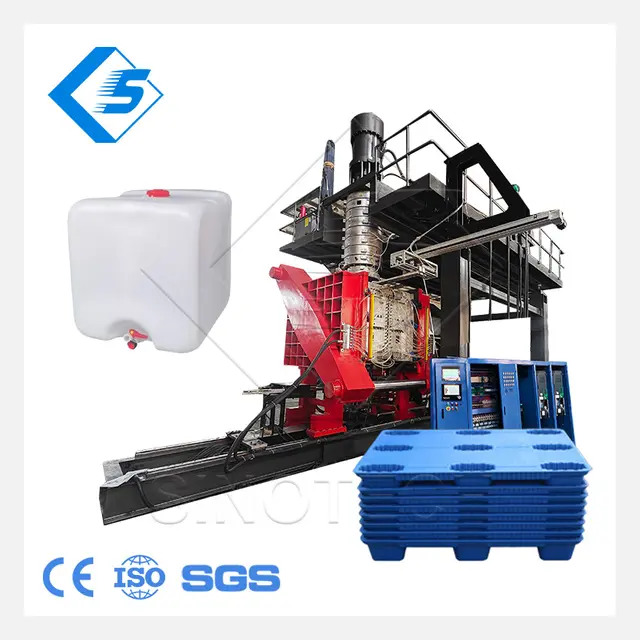
●EBM, or extrusion blow molding: This process starts with a hot hollow tube called a parison. The mold closes around the parison, compressed air inflates it, and the plastic takes the shape of the mold cavity. This makes EBM practical for larger containers, handled bottles, drums, and many HDPE packaging products.
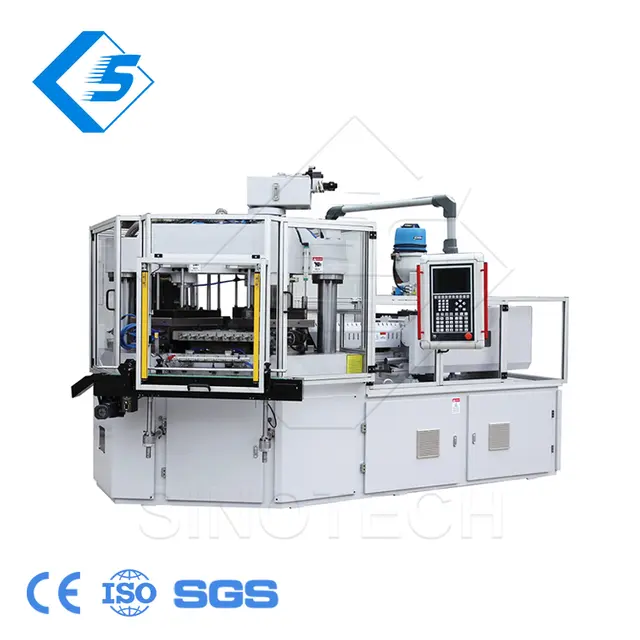
●IBM, or injection blow molding: This process starts with an injection-molded preform that already has a precise neck and thread area. The preform is then transferred into a blow mold and inflated into the final shape. IBM is useful when sealing accuracy matters, such as for pharmaceutical bottles, cosmetic containers, and precision jars.
●ISBM, or injection stretch blow molding: This process also starts with a preform, but adds a stretch rod before the final blow. The rod stretches the preform vertically while air expands it outward. This biaxial orientation improves strength, clarity, and lightweight performance, which is why ISBM is closely connected with PET beverage bottles.
●PET Blow Molding Machines:PET usually refers to machines designed for PET bottle production, not a separate forming process. In most commercial bottle applications, that means a single-stage or two-stage ISBM system. The real question is not whether PET competes with EBM, IBM, and ISBM, but which process can shape PET, HDPE, PP, or another resin into the required bottle at the right quality and cost.
Where Each Machine Type Fits Best
Type
Starting Form
Common Materials
Best Products
Main Strength
Main Limitation
EBM
Parison
HDPE, LDPE, PP, PVC
Large containers, handled bottles, drums
Flexible sizes and lower tooling cost
Less neck precision and possible flash
IBM
Preform
HDPE, PP, PET, PS
Small precision bottles and jars
Accurate neck finish and thread definition
Higher tooling cost and smaller size range
ISBM
Stretched preform
PET, PP
Clear bottles and beverage packaging
Strength, clarity, lightweighting
Higher machine and mold cost
PET machine
Usually preform-based
PET, rPET
Water, soda, oil, and clear cosmetic bottles
Scalable PET bottle production
Not a separate process category
How the Forming Method Changes Bottle Quality
The forming method decides more than how plastic enters the mold. It affects the bottle’s wall thickness, neck accuracy, surface finish, clarity, strength, and defect risk. For buyers comparing Blow Molding Machines, this is often more useful than simply knowing the process names. A machine may have enough output capacity, but if the forming method does not match the bottle design, problems such as leakage, flash, weak shoulders, poor transparency, or unstable bottle weight can appear during production.
EBM Forms the Bottle From a Parison
EBM starts with a hot hollow tube called aparison. The extruder melts the resin, the die head forms the parison, and the mold closes around it before compressed air expands the plastic into shape. This method works well for products that need flexible shapes rather than high neck precision.
That is why EBM is commonly used for:
●HDPE detergent bottles
●milk jugs
●motor oil bottles
●chemical containers
●drums and larger hollow packaging
●handled bottles
Its biggest advantage is shape freedom. A parison can form handles, wide bodies, offset shapes, and larger containers more easily than a fixed preform. Tooling is also often more economical than injection-based processes, especially for simple or large packaging.
The quality risk is mainly inwall thickness control. If the parison hangs too long before the mold closes, gravity can pull the material downward and make one area thicker than another. Poor die gap control, uneven melt temperature, or weak clamping may also create flash, die lines, or thin spots near the shoulder, handle, or base. For buyers, the key question is not only “Can it make this bottle?” but “Can it keep the bottle strong and consistent during continuous production?”
IBM Builds Accuracy Around the Bottle Neck
IBM is different because it starts with an injection-moldedpreform. The neck, thread, and sealing area are formed before the bottle body is blown. This gives IBM a clear advantage when the closure area must be accurate.
This matters most for small bottles where leakage is unacceptable. Pharmaceutical bottles, eye-drop bottles, cosmetic jars, personal care containers, and small medical packaging often depend on tightneck finish tolerance. If the cap, pump, or dropper does not fit correctly, the whole package fails even if the bottle body looks acceptable.
IBM also helps with cleaner thread definition and repeatable bottle weight. However, it is usually less suitable for large handled containers, and the tooling cost can be higher than EBM. It is best used when sealing performance, dimensional consistency, and closure compatibility are more important than maximum shape flexibility.
ISBM Improves PET Bottle Strength and Clarity
ISBM is the process most closely associated with clear PET bottles. It starts with a heated preform, then astretch rodpulls the preform downward while high-pressure air expands it outward. This createsbiaxial orientation, which improves clarity, strength, and lightweight performance.
For bottled water, carbonated drinks, juice, edible oil, and transparent cosmetic packaging, these qualities are critical. The bottle needs to look clean, stay light, resist pressure, and hold its shape through filling, transport, and storage. That is why PET-focused Blow Molding Machines usually rely on ISBM rather than basic extrusion blow molding.
The important quality checks are different from EBM or IBM. Buyers should pay attention to:
●top-load strength
●burst pressure
●drop impact resistance
●haze value
●wall thickness distribution
●bottle bottom stability
ISBM is sensitive to heating and stretching control. If the preform temperature is uneven, the shoulder may become too thin, the base may become too heavy, or the bottle may crack under pressure. When comparing PET bottle machines, rated output is only one part of the decision. Stable preform heating, stretch rod movement, blow pressure, and cooling control are what protect bottle quality in real production.
Match the Machine to the Product, Material, and Production Goal
EBM for HDPE Bottles, Handles, and Large ContainersEBM is suitable for larger HDPE, LDPE, PP, or PVC bottles, especially those with handles or wide bodies. Typical products include detergent bottles, milk jugs, motor oil containers, chemical bottles, and drums. Buyers should verify wall thickness around grips and shoulders, top-load strength for stacking, and environmental stress resistance. Parison sag, flash, and uneven wall thickness must be managed through machine setup, mold design, and resin selection.
IBM for Small Bottles With Sealing AccuracyIBM is ideal when neck finish precision and leak prevention are critical, such as for pharmaceutical, cosmetic, and medical containers. The injection-molded preform ensures repeatable neck geometry and bottle weight, reducing the risk of sealing failures. Tooling and machine structure may increase initial costs, but precision and closure reliability justify the investment.
ISBM or PET Blow Molding Machines for Clear, Lightweight BottlesISBM is preferred for PET bottles requiring high clarity, strength, and lightweight design, including water, carbonated drinks, juice, edible oil, and cosmetic packaging. Key quality metrics include top-load strength, drop resistance, burst pressure, clarity, and wall thickness distribution. When using rPET or PCR resin, buyers should confirm the system’s ability to handle preform drying, color consistency, black specks, and heating control. High-volume production efficiency and lightweighting make ISBM essential for large-scale PET applications.
Machine Price Is Not the Real Cost of Blow Molding Machines
The price of the main machine is only the starting point. A working production line may also need molds, a high-pressure air compressor, a chiller, a hopper dryer, conveyors, trimming equipment, leak testing, installation, and operator training. PET and ISBM systems usually require more support equipment than a basic EBM setup because preform heating, stretching, compressed air, and cooling stability all affect bottle quality.
Mold cost also changes the real budget. A simple EBM mold for a large HDPE container is different from a high-cavity PET bottle mold or precision IBM tooling. Cooling design, venting, cavity balance, and surface finish can influence cycle time, scrap rate, and finished bottle consistency. A cheaper mold may save money at first but create more rejects during production.
Operating cost is just as important as the purchase price. EBM may produce more flash on handled or irregular containers, so trimming and regrind management should be considered. IBM can reduce waste through a controlled preform, while ISBM can lower bottle weight through better stretching and wall thickness distribution. For long-running production, resin waste, compressed air use, heating efficiency, downtime, and maintenance may matter more than a small difference in machine price.
Cost Factor
Typical Market Reference
EBM
IBM
ISBM / PET
Main machine cost
Small units from about $6,000–$18,000; medium machines often $28,000–$65,000; large systems can reach $260,000–$1M+
Lower to medium
Medium to high
Medium to very high
PET bottle blowing machine
About $9,000–$180,000+, depending on cavity number and automation
Not typical
Limited cases
Common range
Mold cost
Often thousands to tens of thousands USD, higher for multi-cavity or precision tooling
Lower to medium
Higher
Higher
Auxiliary equipment
Often adds 20%–100%+ to the project budget; full PET lines may reach 2–3× machine price
Moderate
Moderate
High
Material waste / scrap
Usually measured by scrap rate, flash weight, and regrind usability
More flash possible
Lower
Lower if optimized
Energy use
PET systems can be costly if compressed air and heating are inefficient
Medium
Medium
Higher if air system is inefficient
Maintenance
Annual cost depends on usage, spare parts, and machine complexity
Moderate
Moderate
Higher due to heating, stretching, and air systems
Conclusion
EBM, IBM, and ISBM are not interchangeable choices, and PET should be understood as a material category rather than a separate forming process. The right decision depends on bottle size, material, clarity, neck accuracy, pressure resistance, tooling budget, and stable production needs.
For manufacturers comparing Blow Molding Machines, SINOTECH Machinery Co., Ltd. can support machine selection based on real product requirements, from HDPE containers to PET bottle applications. Matching the process to the bottle helps reduce waste, improve consistency, and build a more reliable production line.
FAQ
Q: What are the main types of Blow Molding Machines?
A: The main types are extrusion blow molding, injection blow molding, and injection stretch blow molding machines. They differ by whether they start with a parison or a preform.
Q: Is PET blow molding the same as ISBM?
A: Not exactly. PET is a plastic material, while ISBM is a forming process. Most PET bottle production uses ISBM because stretching improves clarity, strength, and lightweight performance.
Q: Which blow molding process is best for HDPE bottles?
A: EBM is commonly used for HDPE bottles, especially detergent bottles, milk jugs, motor oil containers, drums, and handled packaging that need flexible shapes.
Q: Why is IBM used for small bottles?
A: IBM forms the bottle from an injection-molded preform, giving better neck accuracy, thread definition, and sealing consistency for pharmaceutical, cosmetic, and personal care containers.
Q: Which machine is better for clear beverage bottles?
A: ISBM or PET-focused bottle blowing equipment is usually preferred for clear beverage bottles because it supports transparency, pressure resistance, lightweight design, and stable wall thickness.
Q: What should buyers compare besides machine price?
A: Buyers should compare mold cost, auxiliary equipment, air compressor needs, energy use, scrap rate, output stability, bottle quality tests, maintenance, and supplier trial data.
We are a professional manufacturer of plastic machines and we have devoted ourselves to the development, research, and production of plastic machinery for more than 20 years.